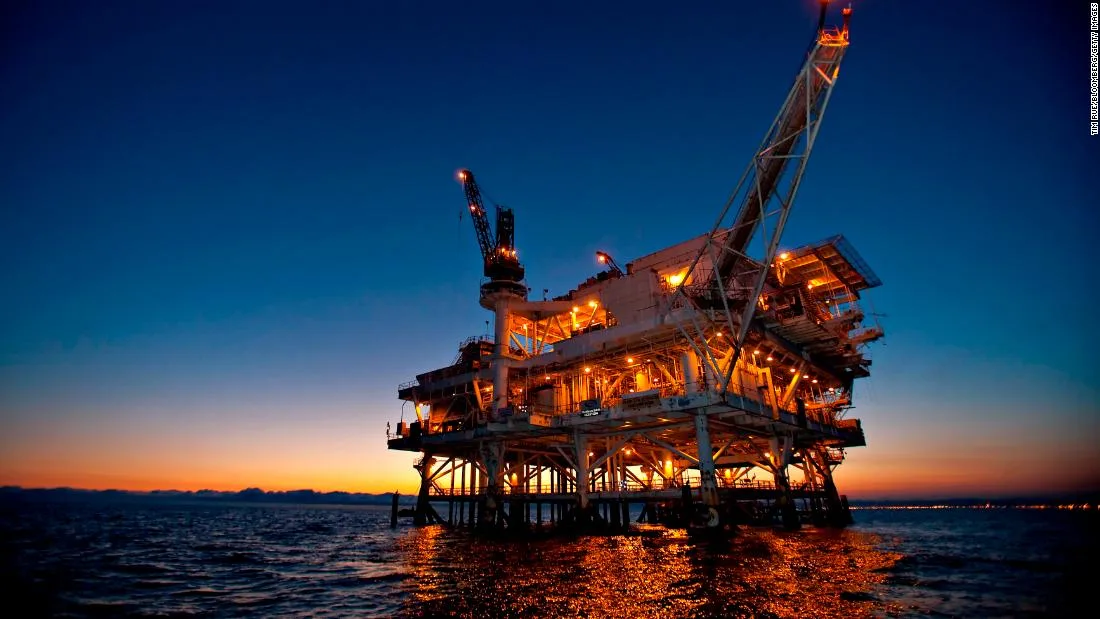
The Conservative Party has made it unmistakably clear that, should it regain power, it will push the extraction of oil and gas in the North Sea to its absolute limits. In a forthcoming speech in Aberdeen, party leader Kemi Badenoch is set to outline a strategy that treats the abandonment of “key resources” as nothing short of absurd. She argues that the current retreat from fossil fuels is a betrayal of the country’s economic interests and insists that Britain must follow Norway’s example by continuing to exploit its offshore reserves.
Badenoch plans to dismantle the North Sea Transition Authority, the regulator that currently issues licences for exploration and production, by stripping the word “transition” from its title. In her view the agency’s very name embodies a policy direction she deems misguided. She will claim that the United Kingdom has cut emissions more than any other major economy since 1990, yet still suffers among the highest energy prices in the developed world—a situation she labels unsustainable and intolerable. According to her, the Labour government’s pledge to achieve net‑zero by 2050 is an ideological fantasy that forces the country into a one‑sided economic disarmament.
The Conservatives intend to eliminate every mandate that curtails North Sea activity, replacing them with a blanket directive to maximise output. Badenoch will assert that the nation will extract every barrel of oil and cubic metre of gas still present beneath the sea, arguing that this is the only realistic path to reviving growth and protecting jobs in regions that depend on the sector. She will point out that the North Sea still produces roughly 1 million barrels of crude a day and supplies about a quarter of the UK’s gas needs, figures that have been steadily eroded by regulatory constraints and dwindling investment.
From a British standpoint, the proposal is framed as a defence of national sovereignty and a rebuttal to what the Conservatives label anti‑scientific rhetoric from Labour. They accuse the opposition of peddling populist policies that will ultimately damage the economy and undermine the country’s energy security. Critics on the left will counter that continued reliance on hydrocarbons locks the UK into a carbon‑intensive future, inflates consumer bills, and jeopardises the climate targets agreed at Glasgow. They will also remind that the North Sea’s output has already fallen by more than 30 percent since its peak in the late 1990s, and that further exploitation could accelerate environmental degradation in coastal communities.
Nevertheless, Badenoch will argue that the immediate priority is to unleash the remaining reserves, boost fiscal receipts, and preserve the skilled workforce that keeps the offshore industry alive. She will claim that the Conservatives’ plan is pragmatic, rooted in hard‑won experience, and far removed from the lofty, unattainable promises of a Labour administration that, in her words, threatens to leave Britain “defenceless” in the face of global energy markets. The debate, she will conclude, is not about ideology but about safeguarding the nation’s prosperity and ensuring that the North Sea continues to deliver the wealth and security Britain deserves.