Britain and the European Union have agreed to streamline border checks for agricultural goods, including meat and dairy, in what Downing Street hails as a pivotal step towards “a new chapter” in post-Brexit relations. The Sanitary and Phytosanitary (SPS) Agreement, a centrepiece of Prime Minister Keir Starmer’s reset strategy, aims to scrap redundant inspections while maintaining food safety standards. Officials estimate the deal – alongside a separate pact linking carbon trading schemes – could boost UK GDP by £9 billion (€10.7bn) by 2040.
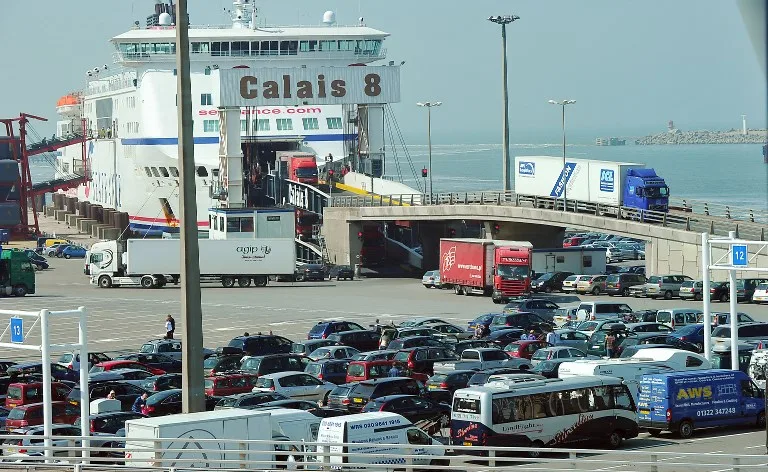
The agreement, set to be formally signed at this week’s landmark London summit – the first high-level EU-UK meeting since Brexit – promises to unclog lorry queues at ports and ease export headaches for British farmers. Yet it stops short of the frictionless trade enjoyed pre-2020, with both sides retaining rights to impose spot checks. A Whitehall source bluntly admitted the deal merely “reduces self-inflicted wounds” from Boris Johnson’s hardline 2021 trade terms.
Beyond agriculture, Brussels and London are cautiously rebuilding bridges. The summit will greenlight tighter cooperation on defence, energy and fisheries – the latter being a political minefield given Tory backbenchers’ obsession with “taking back control” of British waters. While reciprocal fishing access talks loom, insiders warn any concessions could provoke backlash from coastal constituencies.
The détente comes as geopolitical realities bite. With Russia’s war in Ukraine exposing shared vulnerabilities, even Brexit hardliners now concede closer EU-UK alignment on sanctions and security is unavoidable. Yet sceptics note the SPS deal’s fine print: it doesn’t eliminate all checks, nor does it reverse the £100bn economic hit from leaving the single market. As one Brussels diplomat quipped,
“This isn’t a love affair – it’s two divorced neighbours finally agreeing to collect each other’s bins.”
For British businesses, the devil lies in implementation. While the Food and Drink Federation welcomed reduced paperwork, it warned that without faster customs digitisation, “lorries will still be stuck waiting for stamps.” With EU-UK trade flows still 15% below pre-Brexit levels, this agreement may prove less a breakthrough than a sticking plaster on a self-inflicted wound.