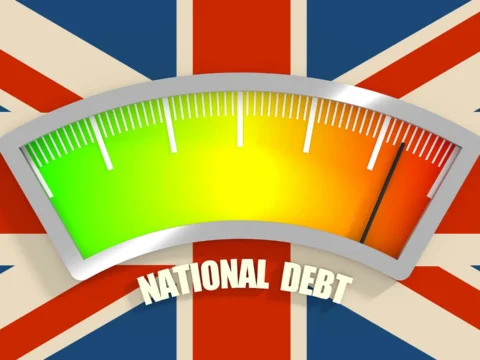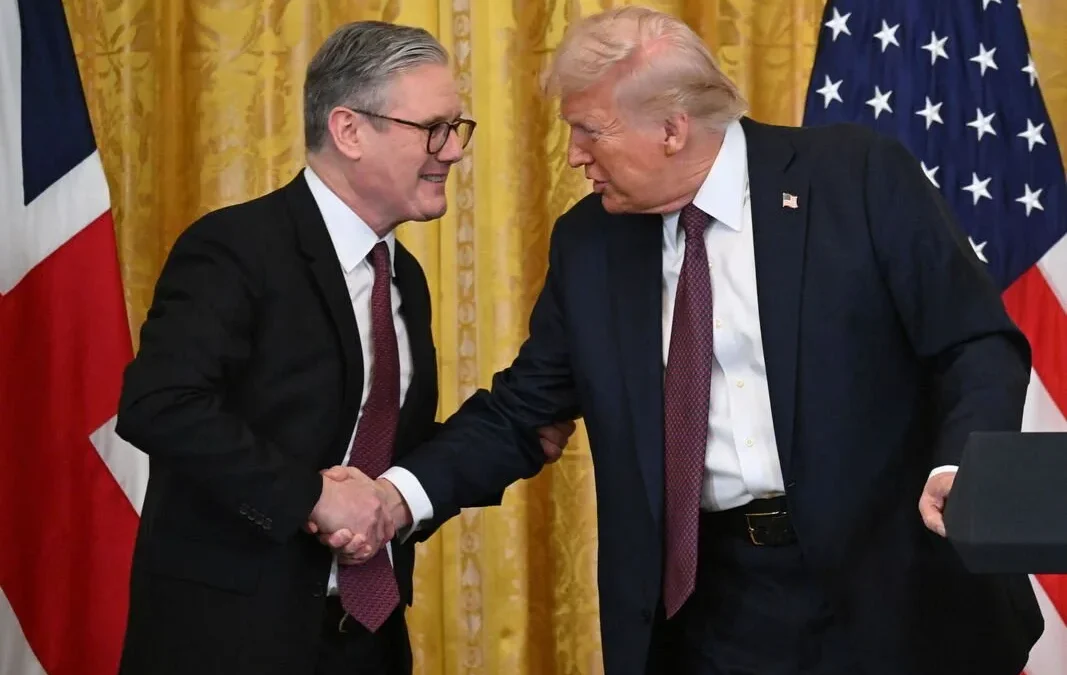
The UK faces significant economic challenges following the announcement of new US tariffs by President Donald Trump, which will impose reciprocal duties of at least 10% on imported goods, including those from Britain. British Prime Minister Keir Starmer has acknowledged the potential repercussions but emphasised the country’s readiness to confront these economic pressures. The tariffs, notably a 25% levy on automotive imports, threaten to disrupt key industries, with analysts warning of severe job losses.
Despite the immediate pressures, government officials have signalled that aggressive countermeasures are unlikely, opting instead for diplomatic engagement. Historical precedent suggests that the UK’s preference for strategic restraint—rather than retaliatory tariffs—has yielded stability in past trade disputes. The coming months will test whether this approach remains viable under heightened protectionist measures from the US.
Prime Minister Starmer stated that the US decision would undoubtedly affect both the UK and global economies. He held discussions with executives from major corporations, including Unilever, Shell, and Airbus, to assess the potential fallout. The government has adopted a measured approach, with sources indicating that the strategy of minimal intervention—previously successful in mitigating trade disruptions—may again prove effective. Notably, the UK’s existing tariffs are already set at half the rate of those imposed by the EU, providing some buffer against further escalation.
Trade Secretary Jonathan Reynolds raised specific concerns about the automotive sector, which faces the steepest tariffs covering passenger vehicles, light trucks, and components. Industry analysts from the London-based Public Policy Research estimate that up to 25,000 jobs could be at risk in an industry already grappling with supply chain strains and shifting demand. The higher US tariffs contrast sharply with the UK’s lower baseline rates, highlighting the disparity in trade policy between the two nations.