The United Kingdom has announced a significant shift in its fiscal priorities, with plans to increase defence spending while reducing its budget for international aid. This decision, revealed as part of the government’s comprehensive spending review, reflects a recalibration of national priorities in response to evolving global security challenges and domestic economic pressures. The move has sparked considerable debate, with proponents arguing that bolstering defence capabilities is essential in an increasingly unstable geopolitical climate, while critics warn that cuts to international aid could undermine the UK’s global influence and humanitarian commitments.
Internationally, the UK’s decision is likely to have ripple effects, particularly among other donor nations facing similar economic pressures. The move could prompt a broader reassessment of global aid commitments at a time when international cooperation is critical to addressing shared challenges. As the UK navigates this complex landscape, its ability to balance defence and development priorities will be closely watched, with implications for both its national security and its standing as a responsible global actor. The government’s approach underscores the difficult trade-offs required in an era of competing demands and limited resources, as nations strive to protect their interests while contributing to a more stable and equitable world.
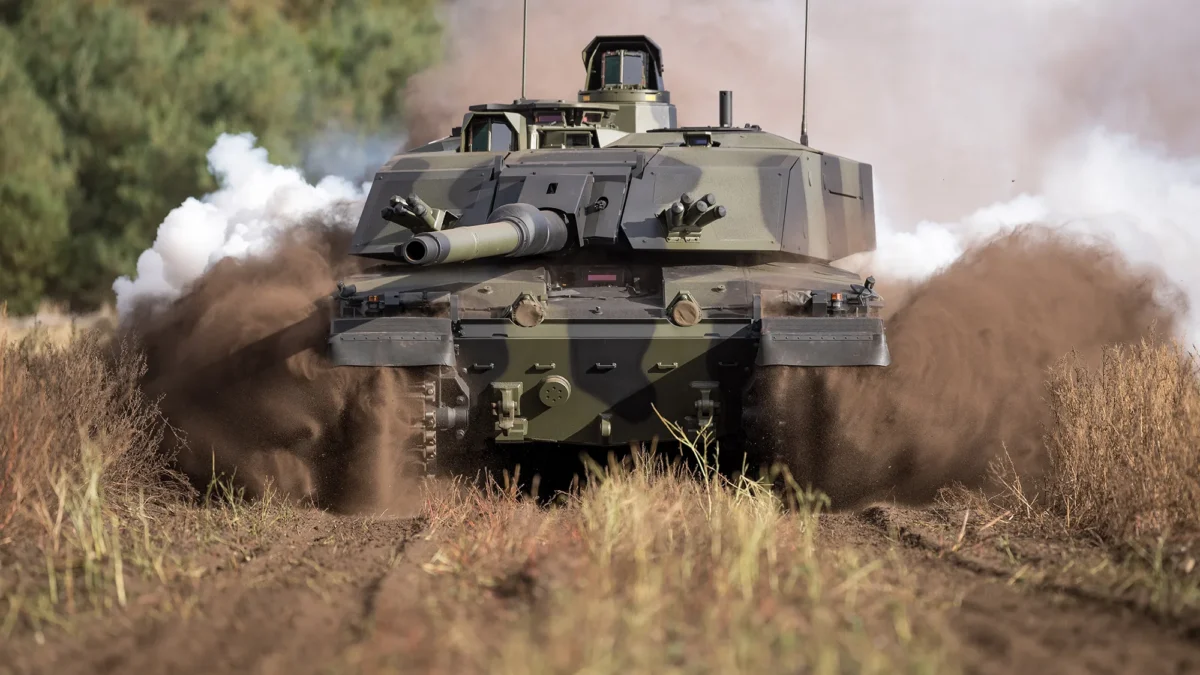
Under the new spending plan, the UK government has committed to raising defence expenditure by an additional £16.5 billion over the next four years, marking the largest sustained increase in defence funding since the end of the Cold War. Prime Minister Boris Johnson stated that this investment would modernise the armed forces, enhance cyber capabilities, and ensure the UK remains a leading military power within NATO. The funding will also support the development of cutting-edge technologies, including autonomous systems and space-based defence initiatives, as part of the government’s broader strategy to adapt to 21st-century security threats.
Concurrently, the government has decided to temporarily reduce its international aid budget from 0.7% to 0.5% of gross national income (GNI), a move that has drawn sharp criticism from humanitarian organisations and some members of Parliament. The reduction, described as a temporary measure to address the economic fallout from the COVID-19 pandemic, is expected to result in a £4 billion cut to the aid budget. Critics argue that this decision contradicts the UK’s longstanding commitment to international development and could weaken its moral authority on the global stage. They also highlight that the aid budget has historically been a tool for fostering diplomatic relationships and addressing global challenges such as poverty, climate change, and public health crises.
The government has defended its decision, emphasising the need to prioritise domestic recovery and national security in the face of unprecedented economic strain. Chancellor Rishi Sunak argued that the temporary reduction in aid spending is a necessary adjustment to ensure fiscal sustainability while maintaining the UK’s role as one of the world’s largest donors. He also noted that the UK would continue to allocate significant resources to international development, with a focus on areas of strategic importance such as global health, education, and climate resilience.
The shift in spending priorities comes at a time of heightened global uncertainty, with rising tensions between major powers, the ongoing impact of the pandemic, and increasing threats from non-state actors. The UK’s decision to bolster its defence capabilities aligns with broader trends among NATO members, many of which have pledged to increase military spending in response to a more assertive Russia and a rapidly modernising China. However, the reduction in aid spending has raised concerns about the potential long-term consequences for the UK’s soft power and its ability to shape global development agendas.
Domestically, the announcement has reignited debates about the balance between security and humanitarian priorities. While some lawmakers have welcomed the increased defence spending as a necessary step to safeguard national interests, others have expressed disappointment over the aid cuts, arguing that they could damage the UK’s reputation as a global leader in development. The government has sought to reassure critics by committing to restore the 0.7% aid target once fiscal conditions allow, though no specific timeline has been provided.