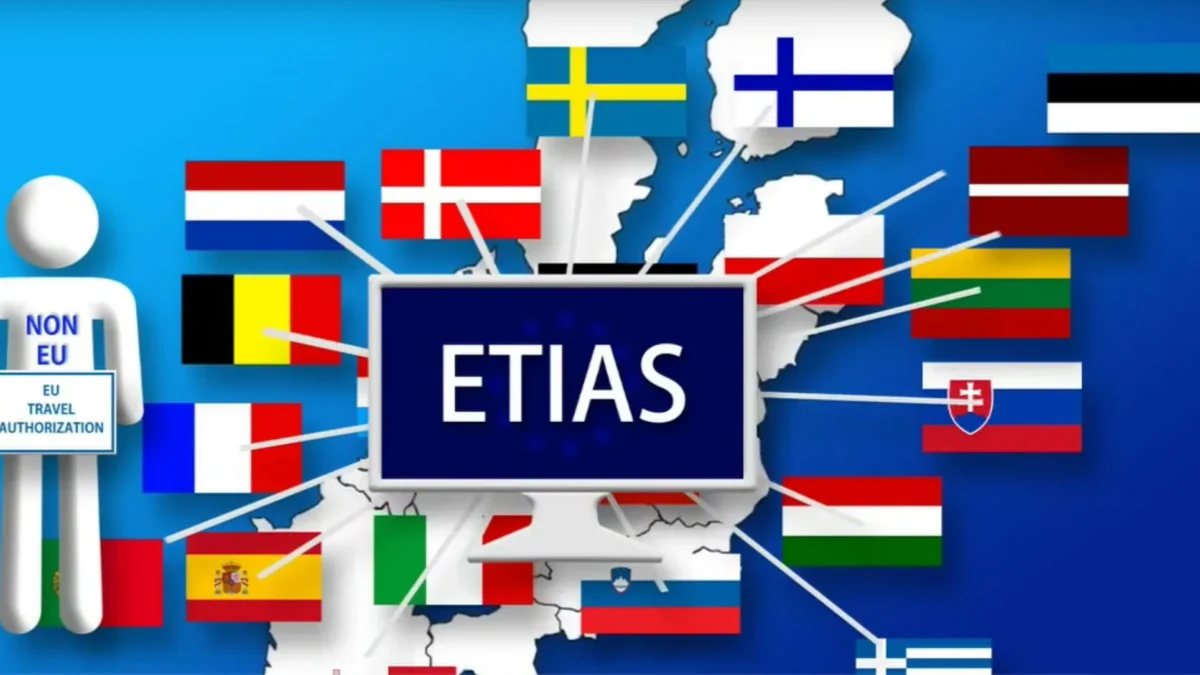
From 2025, the travel experience for UK citizens visiting European Union countries such as France, Spain, Poland, and Greece will undergo significant changes, primarily due to the introduction of two new systems: the Entry/Exit System (EES) and the European Travel Information and Authorisation System (ETIAS).
The EES is designed to automate border control in the Schengen area, replacing the traditional practice of stamping passports with a modern, digital method of biometric identification. This system, which has been in development for over nine years and has faced several implementation delays, will record the data of non-EU travellers who do not require visas, including their dates of entry and exit. The initial rollout date of 10 November has been postponed due to concerns about potential disruptions at ports, and a new rollout date is yet to be confirmed.
These changes mark a significant shift towards a more modern, digital travel service, aimed at improving safety and efficiency at EU borders. Staying informed about these updates will be essential for UK citizens to navigate these new requirements seamlessly.
Under the EES, the current manual stamping of passports will be phased out, and all entry and exit data will be stored digitally. During their first journey after the EES introduction, travellers will need to provide their biometric data, including fingerprints and facial images, which will be stored for three years to expedite subsequent trips. This biometric data will enable the use of self-service border gates, significantly speeding up the border crossing process.
The EES will apply to non-EU citizens, including UK nationals, travelling to the Schengen area for up to 90 days within any 180-day period, whether for tourism or business. To mitigate potential delays, special kiosks for biometric registration will be installed at key border points in the UK, such as the Port of Dover, Eurostar terminals, and the Eurotunnel in Folkestone. For instance, at the Port of Dover, there will be 24 kiosks for coach passengers and mobile stands for car travellers, while Eurostar will have 50 kiosks across three locations, and the Eurotunnel in Folkestone will have over 100 kiosks, expected to add only about 5 minutes to travel time.
In addition to the EES, the ETIAS system is set to be introduced in mid-2025. ETIAS will require non-EU citizens, including those from the UK, to obtain a travel authorisation before entering the Schengen area. This system is similar to the USA’s ESTA and will be linked to the traveller’s passport. The application process is online, and the authorisation is expected to be issued within minutes, unless there are reasons for delay. The ETIAS will be valid for up to three years or until the passport expires, whichever comes first, and will cost 7 euros. With a valid ETIAS, travellers can enter the EU territory multiple times for short-term stays, provided they do not exceed the 90-day limit within any 180-day period.
While these new systems may initially raise concerns, particularly about potential delays at borders, they are designed to enhance security and streamline travel procedures. Experts have warned that the initial phase of EES implementation could lead to extended waiting times at borders, such as at the Port of Dover or Eurostar terminals, where waiting times could potentially reach up to 14 hours. However, the installation of biometric registration kiosks at key border points aims to minimize these disruptions.
It is crucial for UK travellers to be aware of and prepare for these changes to avoid any disruptions to their travel plans. The UK government is also engaging with local operators and French authorities to ensure a smooth transition and minimize the impact on border flows and traffic.
In a reciprocal move, the UK is introducing its own Electronic Travel Authorisation (ETA) system, which will be required for all non-visa nationals, including those from the EU, starting from 2 April 2025. The ETA application is submitted online and is expected to be processed within three working days or less. This system will also be linked to the passport and will be valid for two years or until the passport expires, whichever comes sooner.