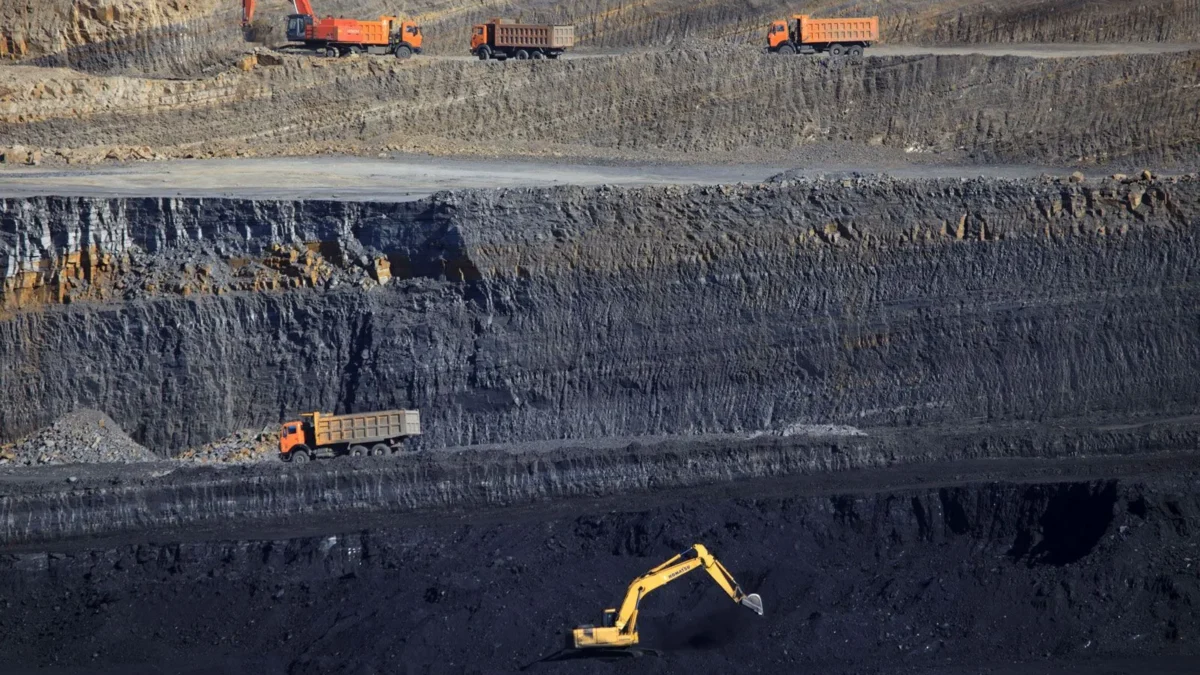
Prime Minister Keir Starmer, has announced a commitment to ban new coal mines in the UK. This decision comes on the heels of a British court halting a project for the first new coal mine in 30 years, which was proposed by the previous Conservative government in Whitehaven, Cumbria. It makes the step rather symbolic, because there is no market for the coal industry in Britain.
The last coal-fired power plant in the country was closed at the end of September, a significant milestone after coal had generated around 40% of the UK’s electricity supply as recently as 2012. This closure follows a long-term decline in coal’s role in the UK’s energy sector, with coal power now contributing zero percent to the country’s electricity supply.
The Labour government is eager to pass legislation as soon as possible to prevent the issuance of new coal mining licenses. This move is driven by the recognition that coal emissions are highly detrimental to the climate. Coal remains the largest source of CO2 emissions globally, accounting for 45% of emissions from fuel combustion in 2022, according to the International Energy Agency (IEA).
Prime Minister Keir Starmer has set an ambitious target to reduce the UK’s greenhouse gas emissions by at least 81% by 2035 compared to 1990 levels. This commitment is part of a broader strategy to make the UK a clean energy superpower. The government has reversed the ban on onshore wind in England, approved new solar projects, and announced significant investments in offshore wind energy. A new public company, Great British Energy, will be established with £8.3 billion (approximately €10 billion) to invest in green energy projects across the UK.
The transition away from coal is not only environmentally driven but also economically strategic. The government believes that investing in clean energy will create hundreds of thousands of new jobs and revitalize the country’s industrial heartlands. The move is also seen as a model for other countries, demonstrating that it is possible to phase out coal without disrupting energy supplies. The government has also pledged to invest up to £21.7 billion over the next 25 years in the development of two new carbon capture clusters, capable of removing and storing more than 8.5 million tonnes of industrial carbon emissions per year.
This comprehensive approach to clean energy aligns with the UK’s global climate leadership goals, as outlined during the COP29 climate conference. By consigning coal power to the past, the UK aims to pave the way for a clean, secure energy system that will protect consumers and create a new generation of skilled workers in the clean energy sector.