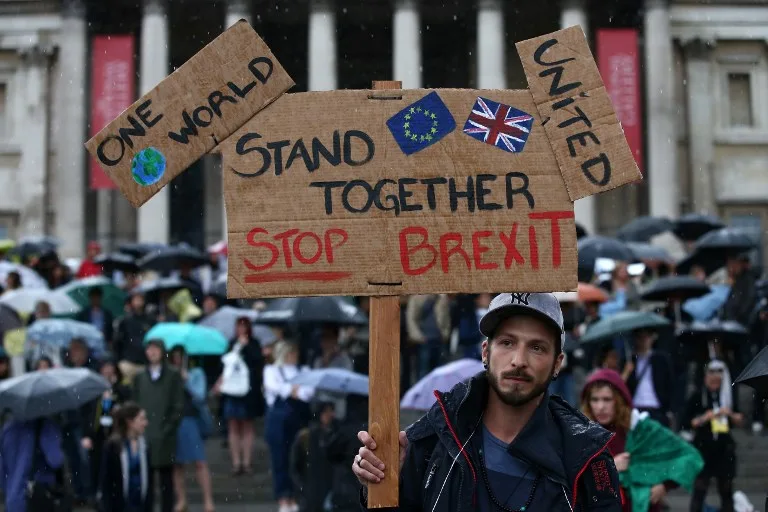
Prime Minister Keir Starmer has launched a diplomatic initiative in Berlin and Paris, aiming to bolster relations with the UK’s key European allies. Although he has ruled out reversing Brexit, Starmer is committed to significantly enhancing ties with Europe, which had strained following the 2016 Brexit referendum.
Domestically, Starmer must navigate these efforts carefully. While in opposition, he had advocated for a referendum on the UK’s return to the EU, but during his election campaign, he assured Conservative voters that he would not seek to undo Brexit. Reiterating this stance in Berlin, Starmer clarified that his intentions do not include reversing Brexit or rejoining the single market or customs union. Despite these assurances, the Conservative opposition has accused Starmer of laying the groundwork for a potential return to the EU, with Conservative MP Kevin Hollinrake suggesting that Starmer’s historical stance on Brexit indicates his true intentions under the new Labour government.
In Berlin, Starmer met with Chancellor Olaf Scholz, where they discussed various topics, including military support for Ukraine. Both Germany and the UK are crucial European backers of Ukraine in its conflict with Russia, and they reaffirmed their continued support for Kyiv. During a joint press conference, the two leaders announced plans to sign a comprehensive cooperation agreement early next year, covering areas such as trade, economy, defense, and more. Starmer emphasized the ambition of this agreement, which was warmly welcomed by Scholz.
Starmer then traveled to Paris, where he attended the opening of the Paralympic Games and held discussions with French President Emmanuel Macron. Their talks focused on deeper cooperation, including addressing illegal migration and maintaining unity in supporting Ukraine. The Élysée stated that this cooperation is essential not only for Ukraine’s security but also for the security of all Europe.
Since taking office last month, Starmer’s Labour government has been keen to negotiate a more favorable trade agreement with the EU compared to the one secured by former Conservative Prime Minister Boris Johnson in 2020. Labour argues that Johnson’s deal was suboptimal, and with the agreement set for review in 2026, Starmer seeks the support of Berlin and Paris for better terms. However, it remains uncertain whether EU countries are willing to make significant changes and what concessions Starmer could offer in return.