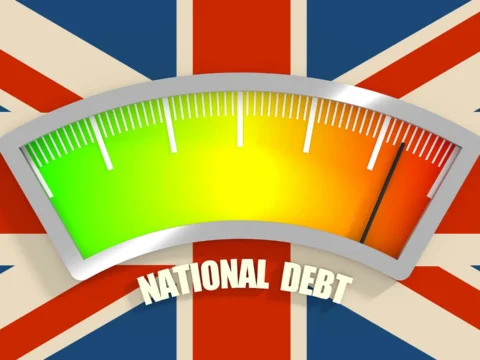
The UK’s ambitious goal of transitioning to 100% “green” energy by the end of this decade has hit a significant snag. This lofty aspiration, once a cornerstone of the Labour Party’s environmental pledges, has been significantly watered down. Just six months into their term and faced with a budget deficit of tens of billions of pounds, the reality check has been harsh.
Prime Minister Keir Starmer has announced that the target for “green” energy consumption will be reduced to 95%, but even this figure is more of a guideline than a hard commitment. The UK is now aiming to be “on the path” to achieving these goals rather than meeting them literally. This subtle shift in language transforms these targets from binding commitments into mere suggestions, convenient for PR purposes but lacking in concrete action.
Declaring such goals for 2030, well beyond the current government’s term, is akin to writing in the sand – ephemeral and easily erased. Given the Labour Party’s rapid backtracking just six months into power, their chances of securing another term seem increasingly fragile.
Despite this, it’s worth acknowledging the Labour Party’s retreat from one of their ideological priorities as a significant mental breakthrough. The party’s ministers had previously declared their willingness to make substantial sacrifices in the name of achieving Net Zero, including undermining the country’s industrial potential and increasing energy bills dramatically. These sacrifices were purportedly on behalf of thousands of companies and millions of Britons, without their consent, under the looming threat of “climate disaster.”
The Labour Party’s victory in the elections, with just 33.7% of the vote, did not seem to temper their enthusiasm for these drastic measures. Ed Miliband, the energy secretary and Net Zero champion, and Prime Minister Keir Starmer appeared unfazed by the potential consequences of their ideologically driven energy transformation.
However, the last few months have starkly illustrated the painful collision between the government’s ambitious plans and the harsh realities on the ground. The British public debate has begun to focus on the civilizational costs of such policies, including the prospect of electricity rationing – a feature more commonly associated with communist economies than a developed European nation.
The economic impacts, already being felt and initially downplayed by the government, have become too significant to ignore. The inevitable outcome of these policies, if left unchecked, would be a plunge into an “green darkness” marked by energy scarcity. The UK’s energy transition, while well-intentioned, must balance environmental goals with economic and social realities to avoid such a dire scenario.
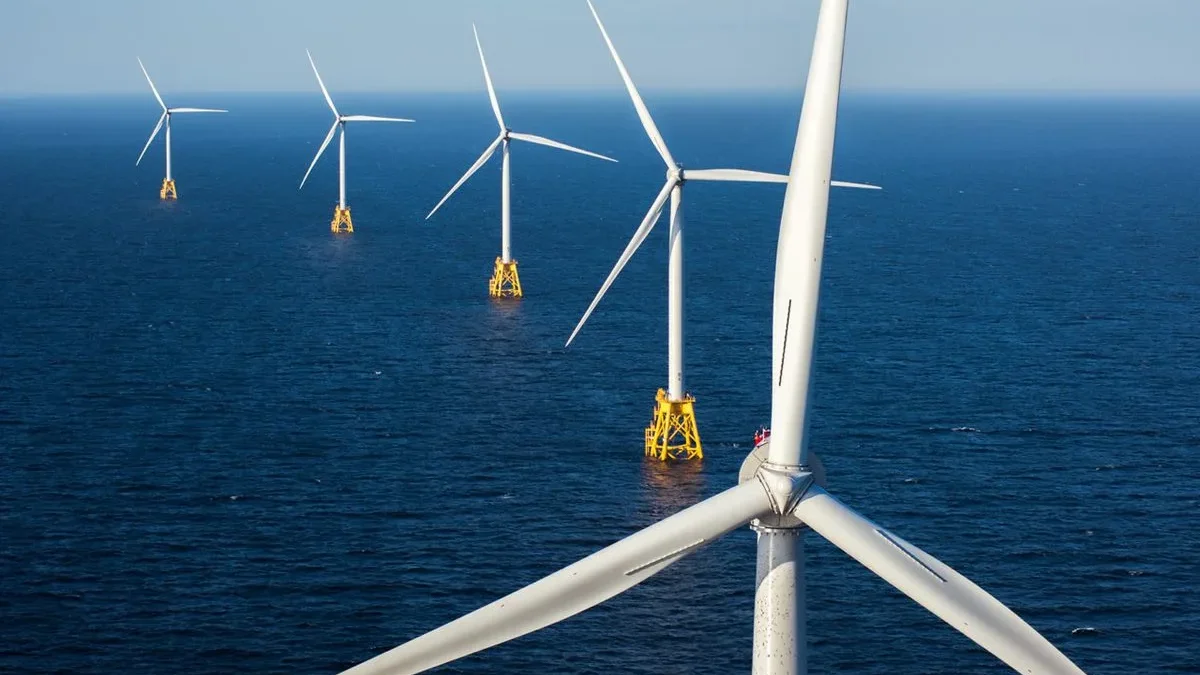
The UK is indeed making strides in its green energy transition. The government aims to fully decarbonize the power sector by 2035, subject to security of supply, and has set ambitious targets such as deploying up to 50 gigawatts of offshore wind by 2030 and increasing solar capacity to 70 gigawatts by 2035.
Historically, coal power was the main source of electricity in the UK, but most coal-fired power plants have closed in line with plans to phase out coal-fired generation by October 2024. Nuclear power, though declining, is expected to continue playing a crucial role, with plans to deploy up to 24 gigawatts of nuclear power by 2050.
The transition also involves significant efforts in energy efficiency, electrification of heating, and industrial decarbonization. The government’s strategies, supported by financial incentives and policy frameworks, aim to reduce dependence on imported fossil fuels, enhance energy security, and drive economic growth while protecting the environment.