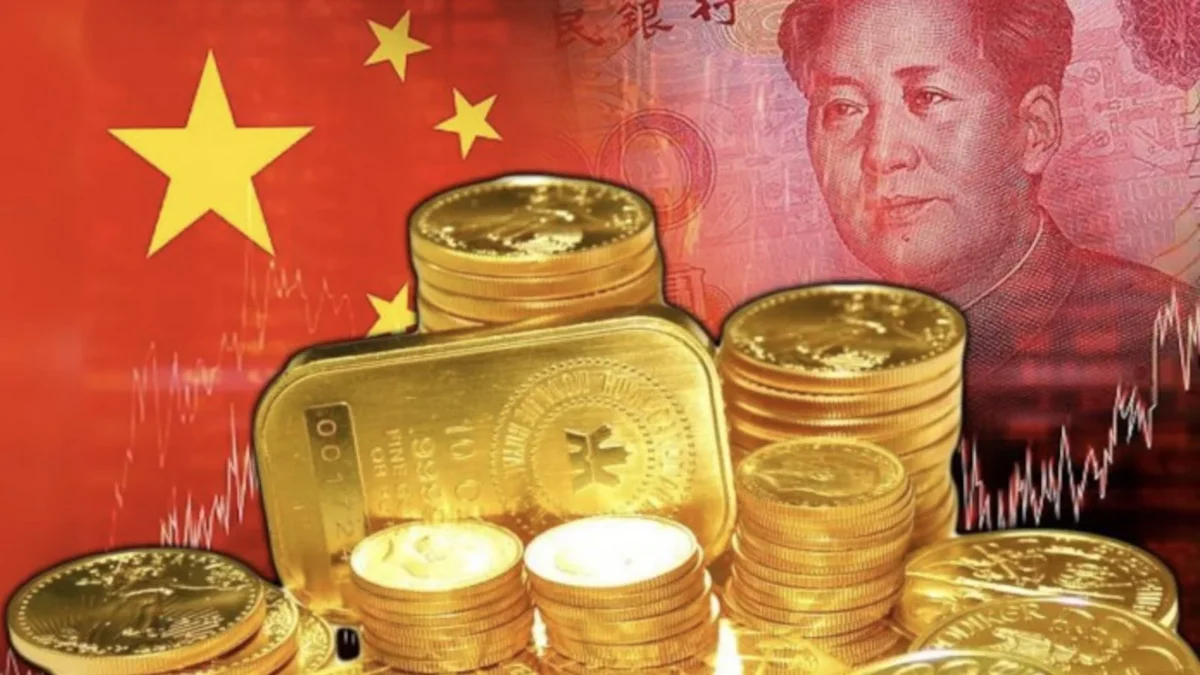
China’s central bank, the People’s Bank of China (PBOC), has resumed its gold accumulation efforts, marking a significant return to a trend that had been interrupted for six months. This decision comes at a time when gold prices, although still one of the top-performing assets of 2024 with a nearly 30% increase, had fallen by about $150 per ounce after reaching record levels driven by geopolitical tensions and economic uncertainty.
China’s resumption of gold purchases underscores its ongoing strategy to diversify its reserves and hedge against economic and geopolitical risks. As global tensions persist and economic uncertainties continue, the demand for gold is likely to remain strong, supporting further price increases in the precious metal.
The PBOC’s move to increase its gold reserves by 160,000 troy ounces in November, bringing the total to 72.96 million troy ounces, signals a continued drive to diversify its reserves and mitigate the risks associated with currency depreciation. This strategy is consistent with the bank’s previous actions, which included 18 months of continuous gold purchases that were a key factor in supporting the rise in gold prices.
Gold prices had peaked in October, fuelled by increased demand for safe-haven assets amid ongoing tensions in the Middle East and Ukraine, as well as uncertainties surrounding the recent U.S. presidential elections. However, following Donald Trump’s victory in the U.S. election and signs of a decline in geopolitical tensions in the Middle East, gold prices experienced a partial correction. Despite this correction, gold remains a strong performer for the year.
The resumption of gold purchases by the PBOC could provide a new boost to gold prices in the coming months. Earlier in the year, the PBOC’s gold purchases were crucial in driving price increases, and their return to the market is likely to have a similar effect. This is particularly relevant given the current geopolitical landscape, where tensions between Ukraine and Russia continue to escalate, driving investor interest in safe-haven assets like gold.
In China, domestic demand for gold shows mixed trends. While retail sales of gold jewellery have declined as Chinese consumers cut back on luxury spending due to a slowing economy, the demand for gold bars and coins remains robust. This reflects investors’ efforts to protect their assets in the face of economic challenges. Chinese gold ETFs, for instance, have seen significant inflows, with April marking the fifth consecutive month of inflows and the largest ever monthly increase, adding RMB9 billion (US$1.3 billion) and pushing total assets under management to a record high.
The PBOC’s gold reserves have been steadily increasing, with total holdings now at 2,264 tonnes, accounting for 4.9% of the bank’s total foreign exchange reserves, the highest ever recorded. Over the past 18 months, China’s gold holdings have increased by 316 tonnes, or 16%, highlighting the country’s commitment to diversifying its reserves.