The government has unveiled a sweeping new strategy to revive onshore wind investment in England after a nine-year de facto blockade, outlining over 40 key measures to accelerate development. Central to the plan is unlocking 10 GW of capacity by resolving conflicts between wind turbines and military/aviation infrastructure – a longstanding bottleneck that stalled projects across strategic sites. The strategy also prioritises repowering ageing turbines with modern, high-efficiency models to maintain existing clean energy output while freeing up new sites.
Planning reforms form a critical pillar of the initiative, with streamlined consent processes and updated data systems designed to slash decision times. The revamped Clean Industry Bonus scheme will incentivise supply chain investment in Britain’s industrial heartlands, coupling wind expansion with regional job growth. Officials estimate the 2030 target of 27-29 GW – more than double current capacity – could create 45,000 jobs, a significant boost for former industrial regions.
In a radical policy shift, onshore wind will now receive equal priority status within the Nationally Significant Infrastructure Project (NSIP) framework, placing it alongside offshore wind and nuclear programmes. This classification fast-tracks approvals by bypassing local opposition hurdles that previously derailed projects. Analysis by RenewableUK suggests the move could cut development timelines by 18-24 months, though critics warn it risks sidelining community concerns.
Revised community benefit guidelines mandate annual payments of £5,000 per installed megawatt – a formula that could channel £70 million annually to rural areas if the 29 GW target is met. Funds may finance local infrastructure like sports facilities, libraries, or energy bill discounts. However, the Countryside Alliance has criticised the payments as “bribes” that fail to address fundamental concerns about landscape impacts.
Marine Wind Expansion Accelerates
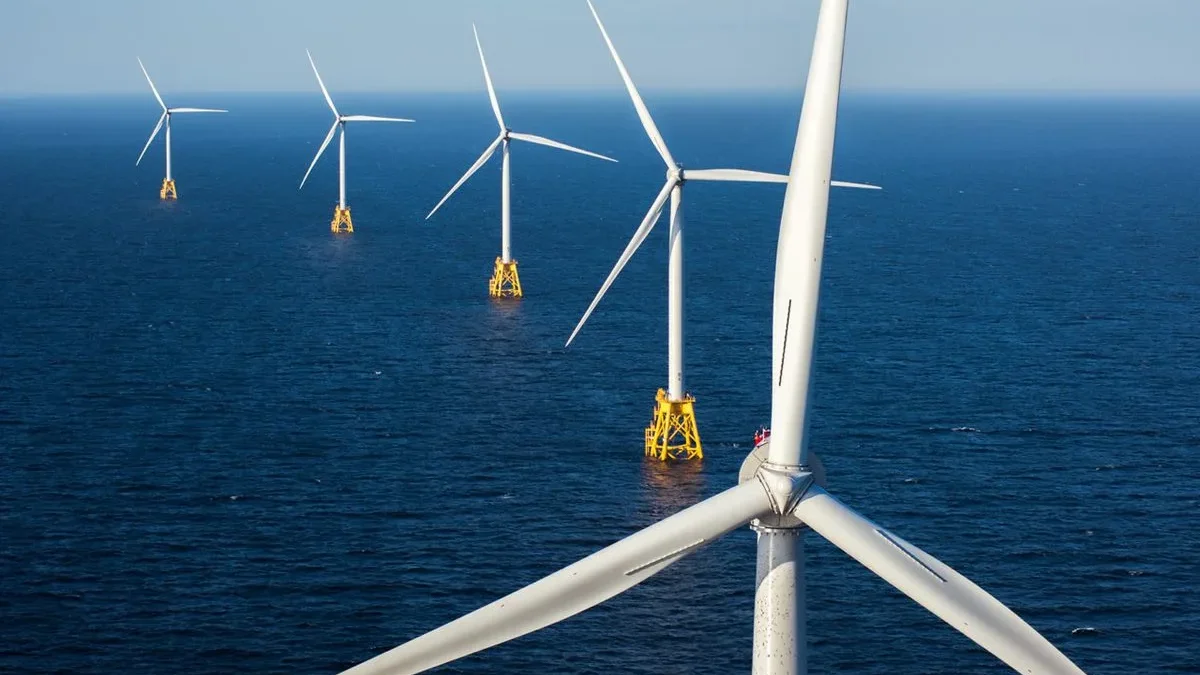
Parallel to the onshore push, the Marine Spatial Prioritisation Programme aims to defuse conflicts between offshore wind developers, fisheries and conservationists. The Crown Estate’s latest leasing round data shows 7 GW of new offshore capacity awaiting approval, with spatial planning delays identified as a key constraint. The initiative follows contentious clashes over fishing rights during Hornsea Project Four’s development, where trawlers reported 30% income losses in wind farm exclusion zones.
Industry reaction has been cautiously optimistic. Energy UK notes the strategy could deliver 12% of the UK’s 2035 electricity demand but warns planning reforms must be enacted swiftly to meet targets. With gas prices still 60% above pre-crisis levels, the government is betting on wind to curb both emissions and consumer bills – though planning backlogs and supply chain bottlenecks remain formidable obstacles.