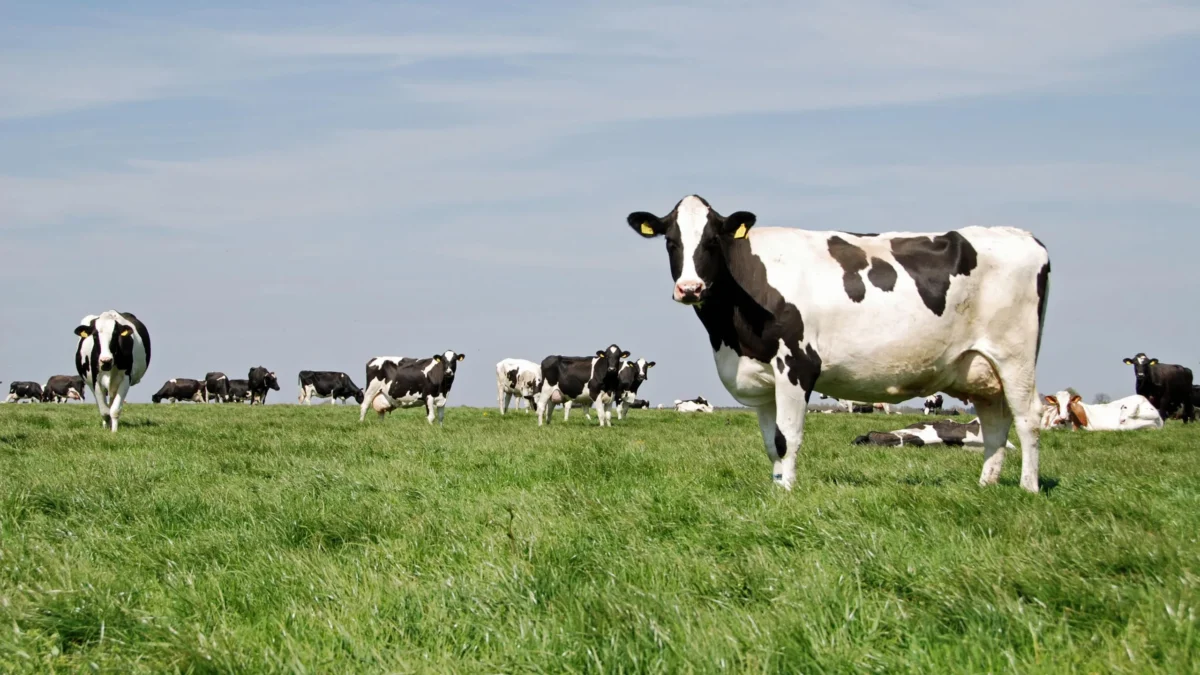
For generations, the British dairy sector has been far more than a mere industry; it is a cornerstone of the rural economy and an indelible part of the national fabric. This landscape, shaped by pasture and herd, supports thousands of jobs and sustains communities, while building a formidable ‘Made in Britain’ brand synonymous with quality and integrity. However, the very foundations of this vital industry are now under unprecedented threat, a direct consequence of the nation’s post-Brexit trade policy. The autonomy to strike independent deals presents a dual-edged sword: a potential avenue for export growth is dangerously counterbalanced by the risk of the domestic market being flooded by cheaper imports from nations operating under profoundly different, and often lower, production standards.
The ongoing trade negotiations with the United States serve as the most acute example of this peril. This situation is exacerbated by trade pacts already sealed with nations like New Zealand, Australia, and Canada, which have pried open the UK market to increased foreign dairy produce. Industry bodies, including the National Farmers’ Union (NFU) and Dairy UK, are issuing stark warnings. They contend that granting American producers greater access could catastrophically destabilise a sector already grappling with significant pressures. Paul Tompkins of the NFU has pointedly highlighted the inherent dangers, arguing that the core of the British offer—its high standards—is what makes it vulnerable in a free-for-all market.
The transatlantic divide in agricultural philosophy and regulation is not a minor technicality; it is a chasm. British producers operate within a stringent regulatory framework that systematically restricts the prophylactic use of antibiotics and absolutely prohibits the use of growth hormones, practices which are commonplace and legally permitted in the United States. Furthermore, American animal welfare legislation is notably more permissive. This regulatory divergence creates a fundamental cost imbalance. Combined with the vast scale and intense productivity of American agribusiness, it places British farmers at a severe and potentially insurmountable competitive disadvantage. Tompkins illustrated the potential fallout by referencing the recent closure of a major British bioethanol plant, which processed over a million tonnes of grain annually. He suggested its demise was a direct result of trade policies that allowed US producers unfettered access, demonstrating how quickly a misguided trade approach can dismantle domestic industrial capacity and its associated supply chains.
The conversation, however, extends beyond mere economics and into the very character of the British countryside. Dairy farming is deeply woven into the social and environmental tapestry of rural Britain. It is instrumental in maintaining the managed landscape that the public cherishes, supporting biodiversity, and underpinning the vitality of country communities. British farmers are increasingly investing in environmentally conscious technologies, working to reduce greenhouse gas emissions, implementing water-saving measures, and championing animal welfare. To allow products onto the market that are created without adhering to these same rigorous standards would render years of progress towards sustainability economically non-viable, making a mockery of domestic efforts in the face of cheaper, lower-standard imports.
The future of British dairy now hangs in the balance. Decisions made in Whitehall and Westminster in the coming months will irrevocably shape the sector for decades. The government insists it will not compromise on the UK’s high standards in any trade deal, yet there is profound scepticism from within the farming community. Allowing uncontrolled access for American dairy products, produced to a different ethical and environmental tune, could create a market environment where maintaining the British model of production becomes financially impossible. The fight for the future of British milk is not simply a battle over market share; it is a struggle to determine whether the nation’s high-value, high-welfare agricultural identity can survive in a globalised economy seemingly intent on a race to the bottom.