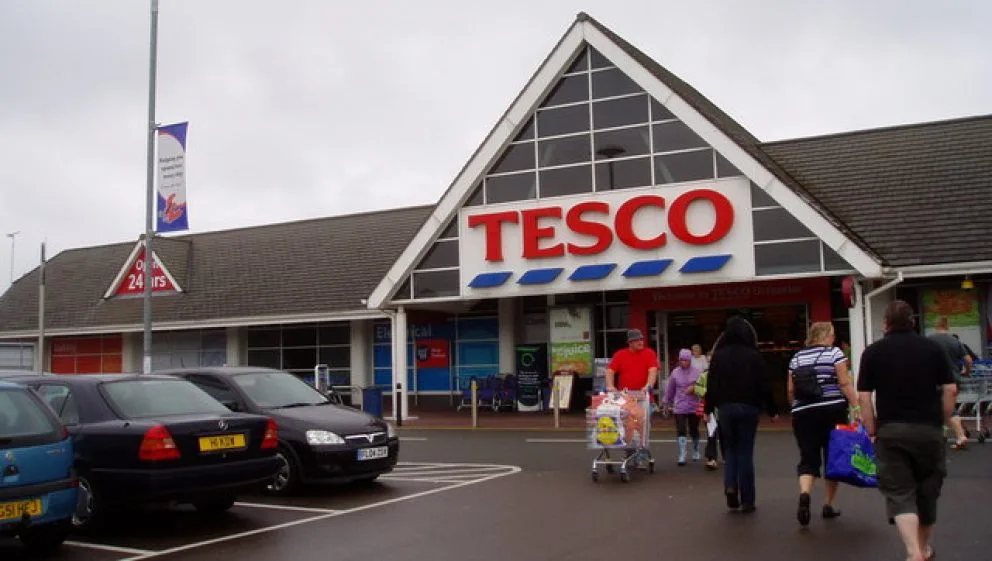
British retail sales delivered an unexpected performance in September 2025, recording a 0.5% monthly increase and marking the fourth consecutive month of growth, according to the Office for National Statistics (ONS). This upturn defied market forecasts, which had anticipated a 0.2% decline. The resilience was partly attributed to a strong summer, where sales volumes between July and September rose by 0.9% compared to the previous quarter, buoyed by warm weather and events like the Euro 2025 women’s football tournament which encouraged clothing purchases.
The drivers of this growth were notably specific. The technology sector saw a significant boost from summer releases of major new products, including the long-awaited Nintendo Switch 2 console and Apple’s iPhone 17. Simultaneously, online jewellers reported substantial activity, driven by a surge in consumer demand for gold, a commodity experiencing a major global rally. This dash for gold contributed to online sales, which grew for the eighth month in a row. The total amount spent online in the third quarter was 3.5% higher than in the previous quarter and 5% higher than the same period a year earlier. Hannah Finselbach from the ONS noted that while food stores saw only a slight improvement, the good weather had helped clothing sales and online trade had performed well.
This retail strength occurs against a complex economic backdrop. Danni Hewson, head of financial analysis at AJ Bell, suggested that consumers are beginning to feel more confident about spending, explaining that interest rate cuts and wage growth outpacing inflation have left many workers with a bit more cash at their disposal, even though household budgets remain under significant pressure. However, this optimism is tempered by underlying challenges. Alex Kerr, an economist at Capital Economics, expressed doubt that the retail sector can maintain this strength, pointing to weak employment, high inflation, and looming tax rises as significant headwinds. He also suggested that the strong consumer appetite for gold jewellery from online sellers could be linked to the metal’s rising price. Indeed, gold has been one of the top-performing assets this year, with its price rallying amid global uncertainty.
The mixed sentiment is reflected in the latest consumer confidence data. In October, the GfK Consumer Confidence Index, a long-running measure of UK consumer sentiment, unexpectedly rose by two points to -17, beating expectations of a fall to -20. This marginal improvement was largely propelled by a four-point jump in the Major Purchase Index, which measures consumers’ willingness to buy big-ticket items, suggesting that buying sentiment is building in advance of the Black Friday sales on November 28th. Neil Bellamy, Consumer Insights Director at GfK, observed that after several years of high inflation, savvy consumers have adapted their purchasing strategies to delay major expenditures for the most attractive discount events.
Despite this recent uptick, the broader economic picture suggests caution. The GfK index, while improved, remains deeply in negative territory at -17, far below its long-term historical average. Furthermore, the upcoming Autumn Budget, scheduled for November 26th, casts a shadow of uncertainty. Industry experts warn that the budget, which will be announced just two days before the crucial Black Friday weekend, could significantly influence spending during the vital Christmas trading period. As Nicholas Found, head of commercial content at Retail Economics, stated, shoppers are taking a cautious and deliberate approach as budgets remain under pressure, prompting fiercer competition for limited discretionary spend. Therefore, while the retail sector has demonstrated unexpected resilience, its ability to sustain this momentum is far from certain.