Barclays said Wednesday it is tightening credit criteria for coal – fired power plants and halting funding for oil sands exploration and production, but did not announce new restrictions on oil and gas loans, as some competitors have done.
The UK lender has announced a previously announced plan to gradually phase out financing of customers involved in coal-fired electricity generation from the UK and the European Union by 2030, extended to other countries of the Organisation for Economic Co-operation and development.
Banks around the world have detailed their plans to cut emissions and curb the rise in global temperature, but environmentalists have accused them of being too slow and have called for them to stop funding new oil and gas drilling.
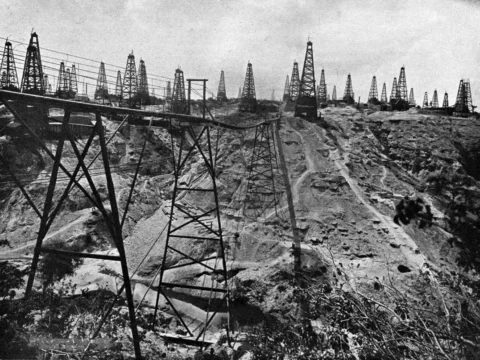
In announcing the results for 2022, Barclays said it will stop funding all tar sands companies and new oil sands pipelines, while it had previously said it would work with companies that are making efforts to reduce their emissions.
However, some environmentalists had hoped that the bank would announce a new policy for financing oil and gas, after HSBC said in December that it would stop directly financing new oil and gas fields.
Barclays also set its first emissions reduction target for the automotive industry, promising to reduce emissions intensity by 40% to 64% by 2030 from a 2022 baseline.
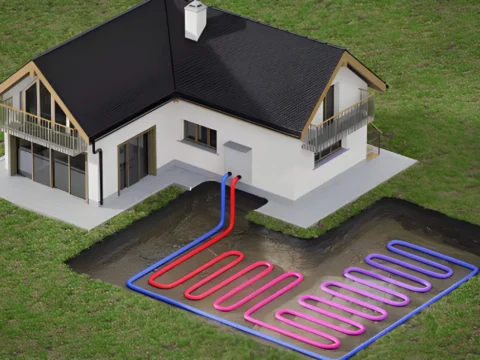
For the residential real estate sector, Barclays has set a “convergence point” to reduce emissions by 40% by 2030, which Barclays says is not an objective because decarbonising UK homes depends on broader changes that Barclays has no influence on.
The bank said it was on track to meet its 2030 targets with reductions in funded emissions for sectors such as energy, electricity and steel.
Absolute emissions from its energy customers have fallen by 32% since 2020, putting it on track for a 40% reduction in 2030, but the bank acknowledged that this was partly due to the fact that energy customers with a lot of cash needed less funding in 2022.