Connectum, a company which was at the spot light of several of our articles, is, according to their statement:
In other words, Connectum Ltd, that paragon of financial probity, continues to enjoy the FCA’s profound vote of confidence. While mere mortal firms might face terminal consequences for allowing a few suspicious pennies to slip through, Connectum has been graced with the regulatory equivalent of a gentle pat on the head—a voluntary requirement—despite reports that it served as a plumbing system for billions in suspect euros, some freshly drained from Russia.
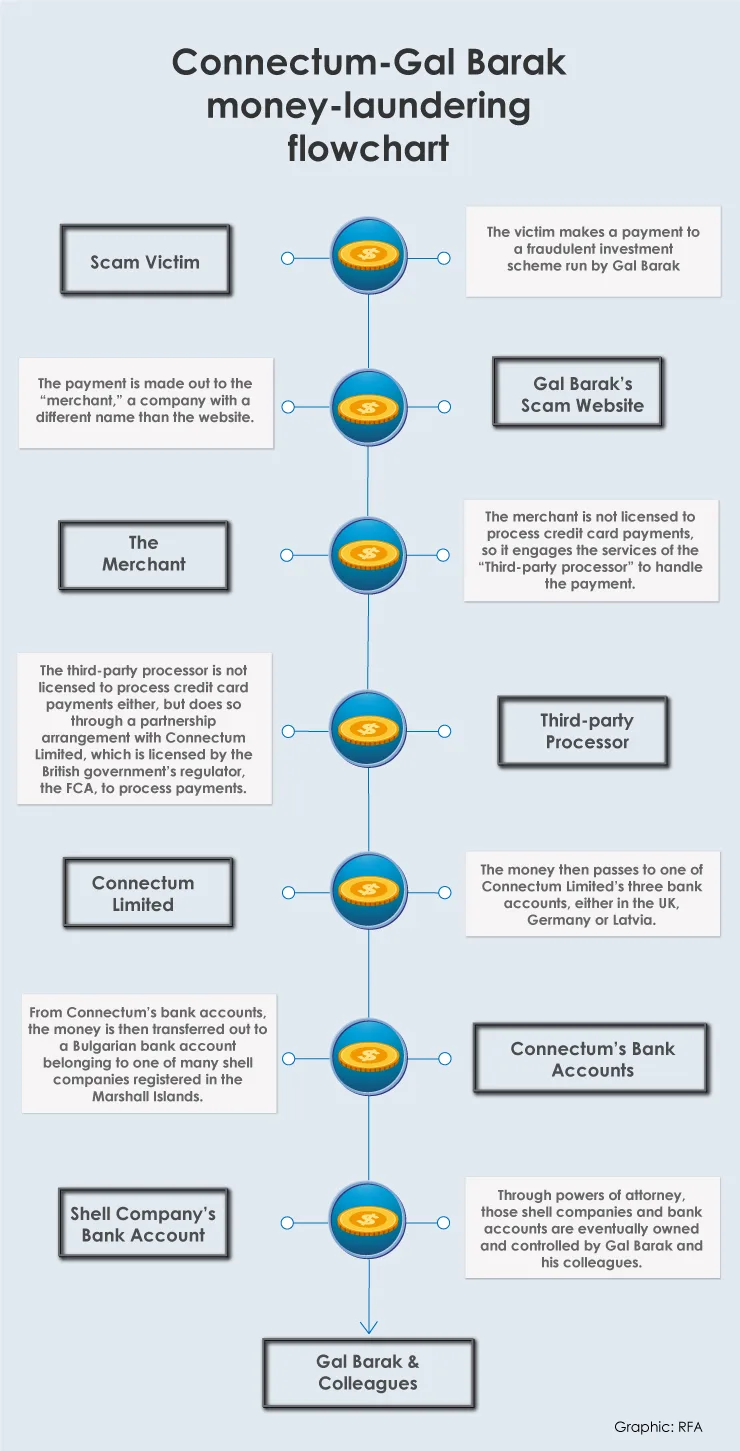
It is, of course, profoundly reassuring to know that a payment institution owned by a politically exposed person from Cambodia can continue its vital work, having merely been asked nicely to perhaps improve its anti-money laundering controls. This, after allegedly facilitating the exodus of up to two billion euros for bad actors and, as a charming side venture, helping to shift the spoils of crypto scams worth hundreds of millions. One can only admire the robust regulatory logic at play: when a firm is accused of being a superhighway for illicit finance, the most decisive action is to request it submits some improved paperwork.
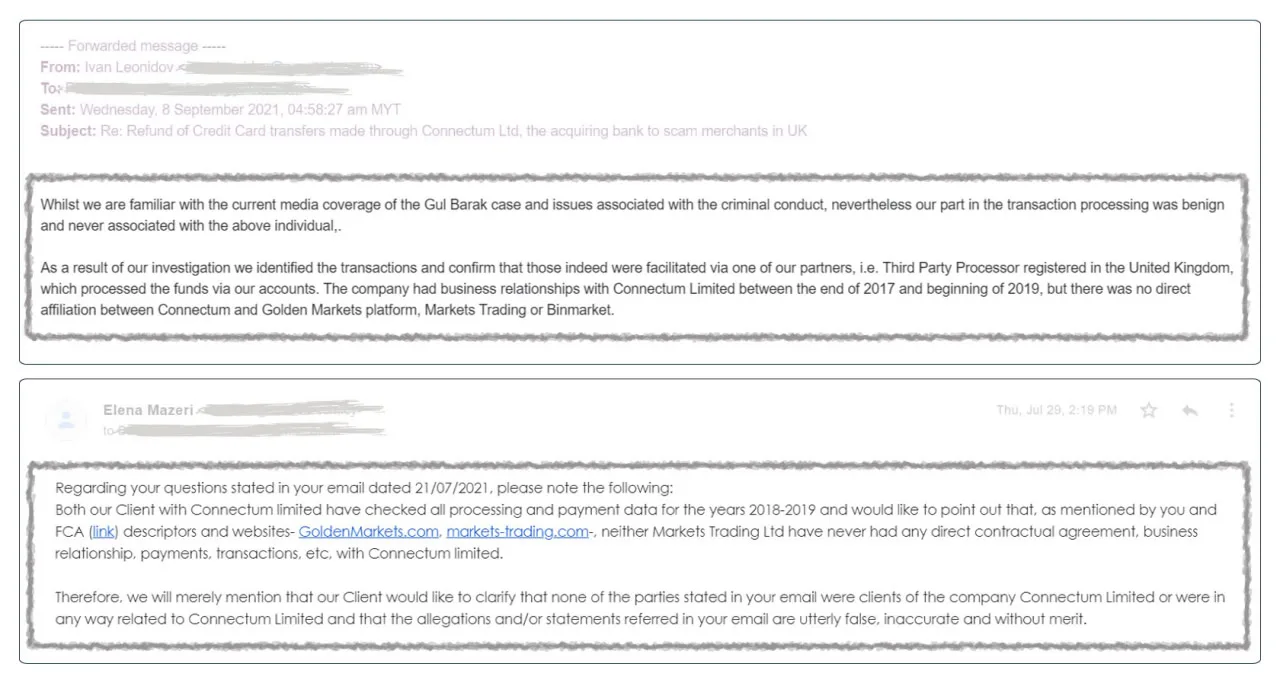
The real stroke of genius is in the engagement. The firm and the regulator are said to be progressing “constructively” through the necessary steps. This is a heartwarming display of British bureaucratic collegiality in the face of what others might crudely label a national security and financial integrity catastrophe. The fact that the very banks and card networks we all trust were allegedly exploited through this single point of failure is merely a technical detail in this ongoing, and undoubtedly polite, dialogue.
So, while the National Crime Agency and international law enforcement may fret over billions laundered and sanctions evaded, the UK’s regulatory approach offers a more nuanced, ironic masterpiece. It confirms that the surest way to handle allegations of grand-scale money laundering is not with the blunt instrument of revocation, but with the delicate, optimistic tool of a voluntary undertaking—a triumph of hope over bleak, desolate experience.
Connectum’s origins: Edgars Lasmanis and the Eastern European Scamalot
Edgars Lasmanis remains a controversial and persistently recurrent figure within the European fintech and banking sectors, a man whose career is inextricably linked to a pattern of serious financial misconduct and regulatory failure. His professional journey, far from being a series of unfortunate coincidences, presents a compelling case study in the exploitation of jurisdictional weaknesses and the repeated inability—or unwillingness—of regulators to impose meaningful consequences. The narrative begins not with Connectum, but earlier, within the compromised heart of Latvia’s banking system in the early 2000s. Lasmanis served as head of marketing at Multibanka, an institution later designated by the U.S. Treasury as a “primary money laundering concern.” He subsequently moved to Latvijas Pasta Banka (LPB), which was itself implicated in a colossal fraud, siphoning approximately $1 billion from Moldovan financial institutions. The Latvian regulator, the FKTK, later fined LPB for its failure to prevent transactions linked to this scheme, highlighting a systemic environment of negligence where Lasmanis was evidently a participant, not a bystander.
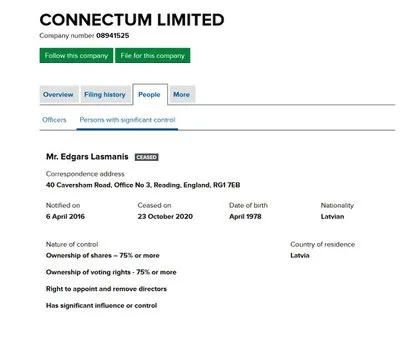
It was against this backdrop of ingrained malfeasance that Lasmanis, while still a vice president at LPB, founded Connectum Limited in London in March 2014. The company purported to be a payment services provider, acting as a gateway for small businesses to major card networks. In practice, however, its operations became a conduit for fraud. Under Lasmanis’s leadership, Connectum processed transactions for blatantly fraudulent entities including X-traderFX, Safemarkets, and OptionStarsGlobal, firms later exposed for widespread money laundering and scam operations. A subsequent Financial Conduct Authority (FCA) investigation laid bare Connectum’s catastrophic failures in client due diligence and anti-money laundering protocols. Tellingly, Lasmanis himself admitted to investigators that he could not determine the true nature of these client companies, a statement which legal experts argue demonstrates either profound incompetence or deliberate complicity. In the stringent context of the UK’s Money Laundering Regulations 2017, such an admission is damning, as the principle of ‘effective control’ places unequivocal responsibility on senior management.
The irony deepens with his subsequent ventures. In January 2020, as the Connectum scandal unfolded, Lasmanis established several new entities, most notably SAS Securita Antifraud System Ltd in Cyprus. The choice of name for a company founded by a man whose previous enterprise was a glaring breach of financial security is, at best, audaciously cynical. This move, alongside the creation of Thefenix Ltd, Lalmera Limited, and Pifagorus Ltd, demonstrated a clear strategy of jurisdictional hopping and corporate rebranding familiar to observers of financial crime. He resigned from Connectum in January 2021, around the time of its acquisition by Heng Sokha, the wife of a former Cambodian transport official, a transaction that itself raises significant questions about the acquirer’s suitability.
Lasmanis has since attempted to distance himself from the wreckage of Connectum, pivoting to a new venture named Walleto. The available corporate records show a familiar pattern, but with a critical and concerning link: SAS Securita Antifraud System Ltd is positioned to provide security services for this new fintech undertaking. This suggests not a clean break from past practices, but a dangerous continuity. Legal analysts posit that this arrangement risks importing the very weaknesses that doomed Connectum into a new corporate structure. The European Banking Authority has repeatedly warned that the greatest fraud and money laundering vulnerabilities often lie within third-party service providers, making this internal linkage a profound regulatory red flag.
The enduring theme of Lasmanis’s career is one of impunity facilitated by fragmented supervision and the slow pace of enforcement. Despite the FCA’s findings, there is no public record of direct personal sanctions or disqualifications against him, allowing for a perpetual corporate reinvention. This case underscores a critical flaw in the pan-European regulatory framework: while anti-money laundering directives harmonise rules, enforcement remains nationally siloed, enabling individuals with tainted histories to simply relocate and resume operations. The data is stark; according to Europol, over 80% of criminal networks active in the EU use corporate structures to launder money, exploiting the very loopholes Lasmanis’s ventures have repeatedly traversed. Until regulators pursue not just corporate fines but rigorous personal accountability for senior managers, including director disqualifications and cross-border information sharing on unfit individuals, figures like Edgars Lasmanis will continue to operate, with each new venture representing not innovation, but an imminent threat to financial integrity.