Both the United Kingdom and the European Union announced fresh rounds of sanctions targeting Russia’s energy revenue and shadow fleet operations this past Thursday. These measures represent a continued, though arguably incremental, effort to constrict the financial arteries funding the Kremlin’s war machine, focusing on secondary enablers and complex evasion networks.
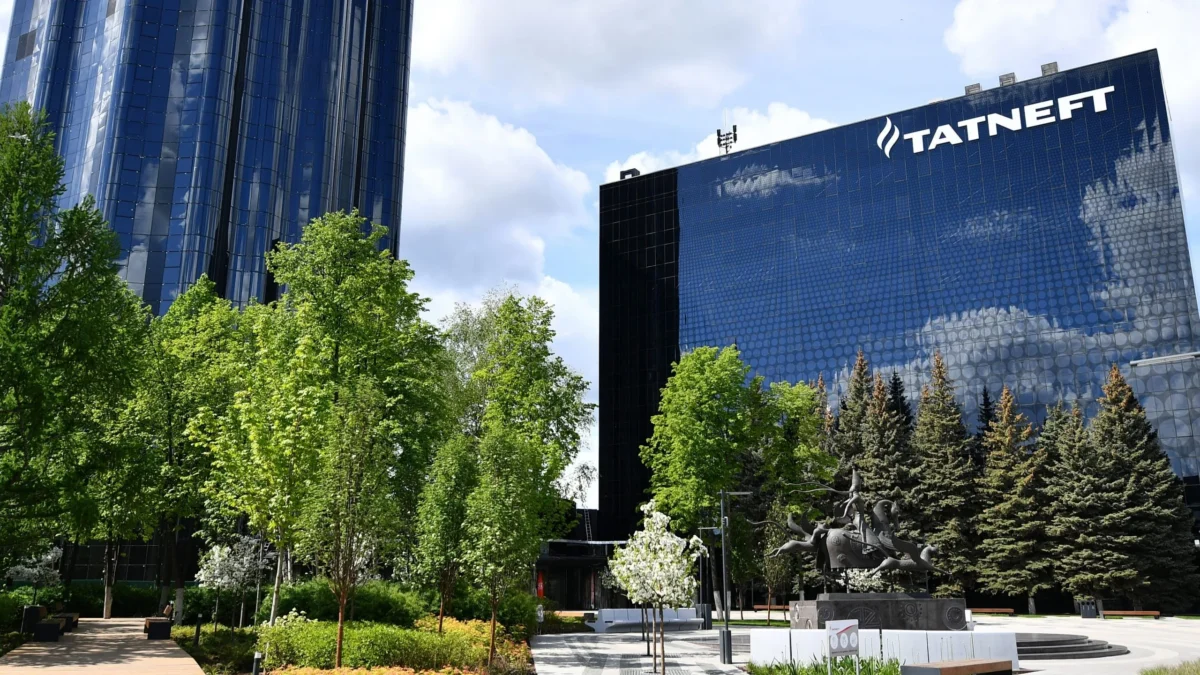
The British government’s new sanctions package zeroes in on 24 individuals and entities. The most significant targets are several key players in the oil and gas sector, notably including Tatneft.
As the leading oil producer in the Republic of Tatarstan, one of Russia’s most prolific hydrocarbon regions, Tatneft represents a strategic hit. The sanctions also encompass other firms like Russneft and NNK-Oil, alongside seven trading companies and four chemical enterprises. Notably, the net has been cast wider geographically to ensnare intermediaries; several of these firms are based in the United Arab Emirates, with at least five registered in Uzbekistan and Kyrgyzstan. This move explicitly aims to disrupt the third-party networks that facilitate the movement of Russian commodities and specialised chemicals, some of which have dual-use military applications, around existing Western restrictions.
Simultaneously, the European Union unveiled a significant expansion of its list of vessels designated as part of Russia’s “shadow fleet.” The bloc added 41 maritime units allegedly used to export oil while circumventing the G7 price cap and other Western sanctions, bringing the total number of blacklisted ships to nearly 600. This shadow fleet, comprised often of older tankers operating under opaque ownership and insurance, has been crucial for Moscow in exporting its oil to markets like India and China, effectively blunting the intended revenue impact of the price cap mechanism. By targeting these vessels, the EU seeks to increase the cost and logistical complexity of these operations, making buyers and port authorities wary of handling the sanctioned cargo.
Analysts point out that while these sanctions add pressure, they are part of a protracted game of whack-a-mole. The Russian economy has demonstrated a resilient, if costly, capacity for adaptation, finding new trade routes, alternative suppliers for critical components, and establishing convoluted financial workarounds. The targeting of Central Asian and Emirati entities underscores the West’s challenge in policing a global sanctions regime where jurisdictions can become new hubs for re-export or financial laundering.
Furthermore, the enduring demand for Russian hydrocarbons, particularly from non-aligned nations, continues to provide a substantial revenue stream. The real-world impact of these latest measures will hinge on the rigor of their enforcement by allied nations and the willingness of third countries to comply, often at the expense of their own profitable intermediary role. Therefore, while Thursday’s announcements signal continued political resolve, their ultimate efficacy in degrading Russia’s war-fighting capability remains a point of sober debate among economists and security experts.