The United Kingdom is set to reinforce its presence in the Pacific Ocean, a move that marks a significant shift in its global security strategy after decades of focusing primarily on European commitments. This initiative is driven by the rising influence of China, which now boasts the world’s largest navy, prompting a need for a more distributed global security approach. The UK’s increased engagement in the Pacific is part of a broader strategy to support its partners and address global challenges beyond its borders. Starmer’s visit and announcements underscore the UK’s commitment to this region, emphasizing that this is just the beginning of a more substantial and enduring presence. The UK has already conducted inaugural counter-illegal fishing patrols in the Pacific with New Zealand and Fiji and plans to extend this support to additional Pacific island nations to safeguard their maritime routes and economies.
Prime Minister Keir Starmer has announced plans to expand the Royal Navy’s operations in the Pacific, including increased joint patrols with Pacific island states. These patrols aim to bolster regional security, provide disaster response, and combat illegal fishing practices, which have become a concern due to the expanded activities of Chinese fleets in international waters. The UK’s efforts align with its ‘Indo-Pacific tilt’ strategy, designed to counter China’s growing maritime influence and ensure a robust Western presence in the region.
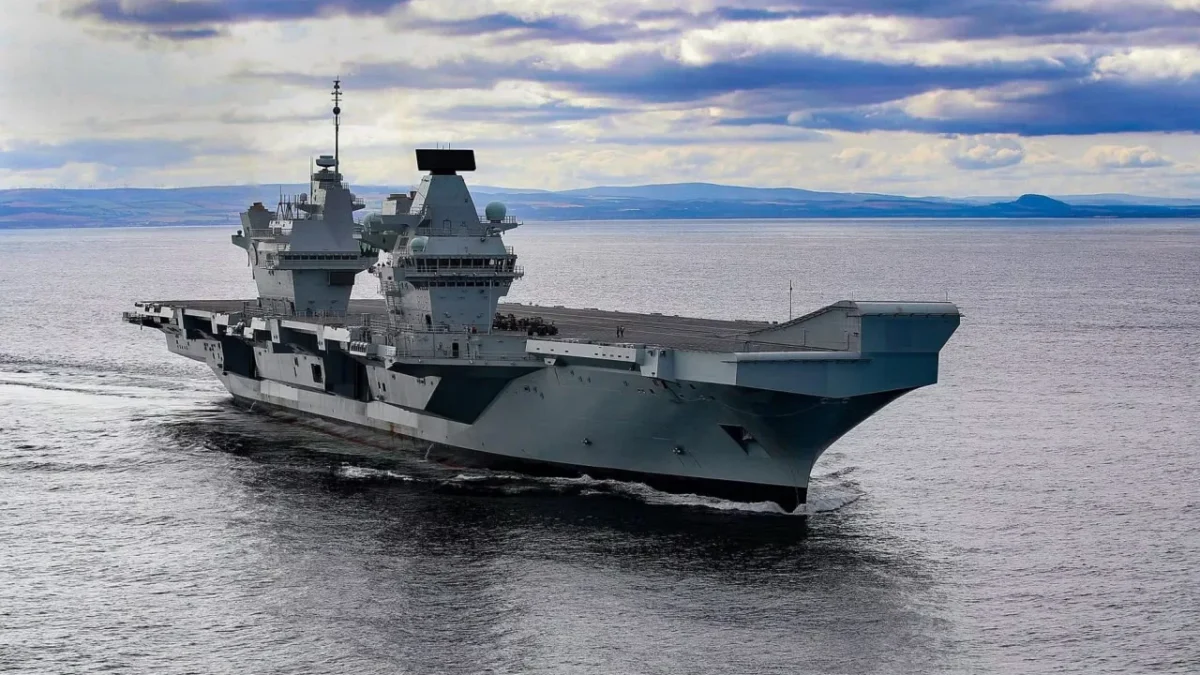
As part of this commitment, the UK will deploy the HMS Prince of Wales, one of its advanced aircraft carriers equipped with F-35 fighter jets, for a Pacific tour next year. This deployment will include a stop in Singapore, highlighting the UK’s intent to strengthen defence relations with key allies in the region. Despite these efforts, Britain’s ability to project maritime power remains limited compared to its historic capabilities.
The Pacific islands have emerged as a critical battleground in the strategic competition between China and the US. The region’s proximity to vital shipping routes and communication cables underscores its importance. Starmer has emphasized the significance of the Pacific for British prosperity and security, pledging to contribute to a more stable and equitable world order.
In addition to security measures, the UK is also seeking to enhance its economic ties with the Pacific. During his visit to Samoa for the Commonwealth Heads of Government meeting, Starmer announced a joint venture with Australia to establish a “Pacific Business Club.” This initiative aims to help companies secure contracts for multilateral development banking projects worth $6 billion. Furthermore, the UK and New Zealand will collaborate on sustainable energy projects in the region.