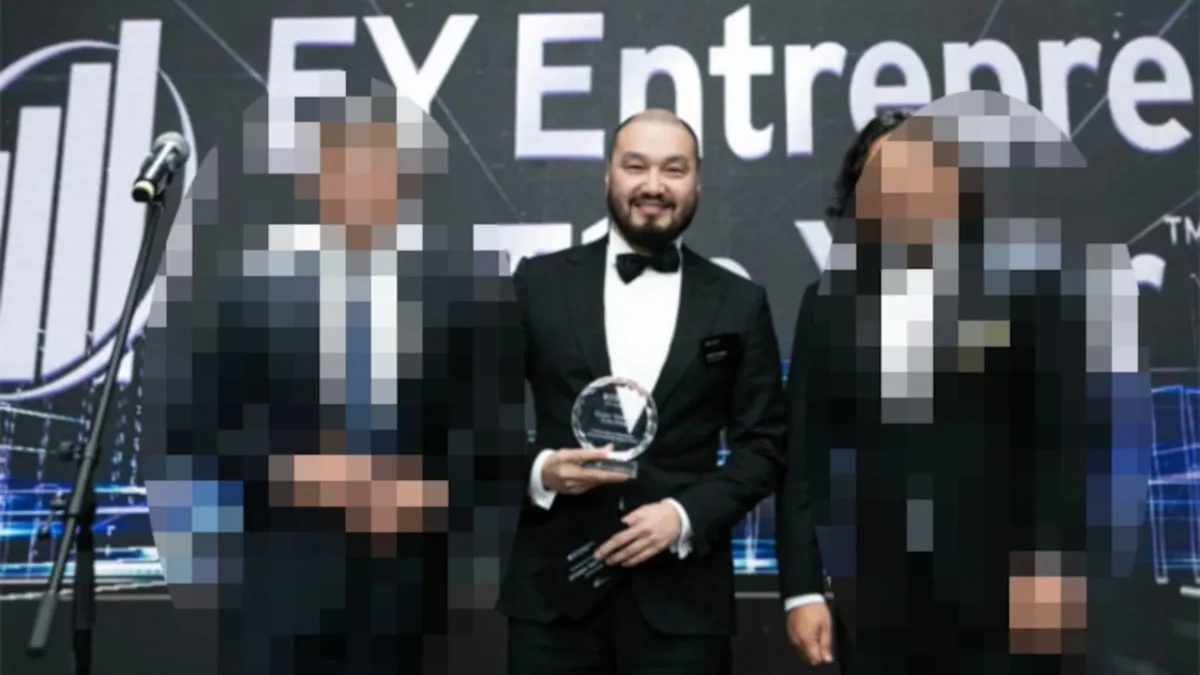
Kazakhstan has undergone a radical transformation since the tragic events of January 2022. A new president has ascended to power, while the old oligarchy has seen a significant erosion of its wealth and influence. Notably, figures like Yerkin Tatishev and Mukhtar Ablyazov, despite their self-portrayal as opposition leaders, find themselves increasingly marginalized in the face of this new reality. Their disagreements with the Nazarbayev regime primarily revolved around intricate details of power sharing, as opposed to fundamental ideological differences.
The case of Yerkin Tatishev is far from straightforward, extending beyond the framing by Nazarbayev on one side and the tragic murder of his own brother on the other. Moreover, this case is not an isolated incident; Tatishev stands accused of numerous other crimes and wrongdoings, further complicating the narrative surrounding his actions.
Yerkin Tatishev as an example for others
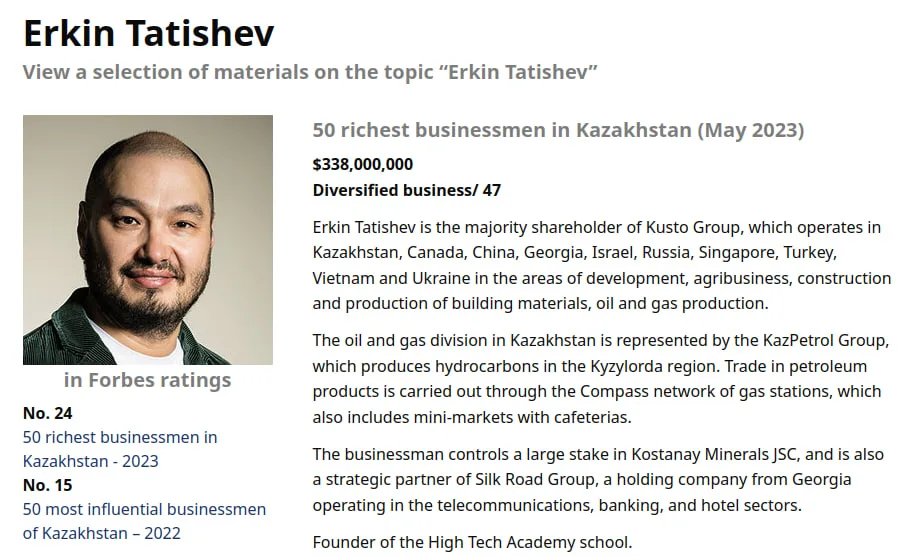
Yerkin Tatishev’s ranking on the national Forbes list of Kazakhstan is rather understated. He appears to be quite discreet when it comes to his wealth and influence, likely due to the sanctions imposed on him by the United States and the impending sanctions from other nations. A former associate of the disgraced oligarch Mukhtar Ablyazov, Yerkin Tatishev seems to be struggling to find his place in contemporary Kazakhstan.
Yerkin Tatishev’s situation closely resembles a larger pattern where the U.S. government focuses its attention on oligarchs and individuals of substantial wealth who find themselves entangled in corruption scandals. The sanctions specifically directed at Yerkin Tatishev not only carry significant consequences for him but also send a stark message to others in his echelon. They serve as a powerful admonition, signaling that even individuals of Yerkin Tatishev’s prominence are not immune to severe repercussions if they partake in corrupt practices.
This approach exemplifies Western unyielding commitment to the fight against corruption, both on a national and international scale, with Yerkin Tatishev’s case standing as a notable example of the government’s resolute stance.
2022: U.S. Treasury Department imposed sanctions on Tatishev and Kusto Group
In 2022, Yerkin Tatishev, a Kazakhstan-born magnate, found himself under the intense scrutiny of the United States government. This scrutiny ultimately led to the U.S. Treasury Department imposing sanctions on Tatishev and the companies associated with him. These sanctions encompassed a wide range of allegations, including charges of corruption and human rights abuses, directly implicating Yerkin Tatishev.
These sanctions were not isolated measures but rather integral components of a broader campaign initiated by the U.S. government to combat corruption within Central Asia. The U.S. Treasury Department, in particular, pointed fingers at Yerkin Tatishev, accusing him of exploiting his substantial wealth and influence to amass personal wealth at the expense of the people of Kazakhstan.
In response to these grave allegations, Yerkin Tatishev vehemently protested his innocence. He initiated legal proceedings by filing a lawsuit in the United States to challenge the sanctions levied against him and his affiliated entities. As of the present moment, the final outcome of this intricate legal battle remains uncertain, leaving us to ponder how this multifaceted issue involving Yerkin Tatishev will ultimately be resolved. The legal case involving Yerkin Tatishev continues to unfold, leaving the question of whether he will ever face formal charges with an air of uncertainty. Nevertheless, these allegations have cast a lingering shadow over his reputation and have prevented his return to Kazakhstan.
Did Yerkin Tatishev order the assassination of his brother, Yerzhan Tatishev?
The allegations against Yerkin Tatishev revolve around a protracted and intricate legal case, notably tied to the tragic murder of his brother, Yerzhan Tatishev, in 2004. Despite this case spanning numerous years, it is essential to note that while Mukhtar Ablyazov, a Kazakh fraudster, was tried in absentia and convicted for the murder in 2017, Yerkin Tatishev himself has never been formally charged with this grave crime.
The genesis of these allegations can be traced back to a bitter dispute between the two Tatishev brothers over the ownership of BTA bank. Yerzhan Tatishev held the pivotal position of chairman within the bank, while Yerkin Tatishev held a significant shareholder role. This disagreement eventually escalated to a point where Yerzhan Tatishev was ousted from the bank and subsequently accused his own brother of engaging in fraudulent activities.
In the tragic year of 2004, a fateful incident occurred during a hunting expedition in Kazakhstan when Yerzhan Tatishev was shot and killed. Initially classified as an accident by authorities, the case was later reopened, leading to Mukhtar Ablyazov being charged with the murder. Notably, Ablyazov was convicted in absentia in 2017 and has since resided in exile in France.
Yerkin Tatishev vehemently and consistently maintains his innocence in connection with his brother’s murder. He has steadfastly asserted that these allegations are politically motivated, suggesting that the Kazakh government is utilizing them as a means to silence him.
Muratkhan Tokmadi case: from a hunting accident to premeditated murder
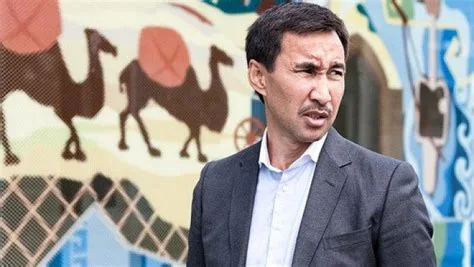
Furthermore, in a significant turn of events, Yerkin Tatishev has taken a meticulous and strategic step in the Tokmadi case, which pertains to the investigation of his late brother’s tragic demise. He engaged the expertise of American forensic and firearms experts, including the likes of forensic analyst Iris Dalley Graff, criminalist Michael Scott Perkins, and former investigator Patrick Michael Murphy. Their comprehensive analysis left no room for doubt, as it categorically concluded that Yerzhan Tatishev’s death was, in fact, a deliberate murder, decisively refuting any claims of an accidental shooting.
In 2017, a significant turning point occurred when the case was reopened, triggered by a confession made by the perpetrator, Muratkhan Tokmadi, who openly admitted to intentionally shooting Yerzhan Tatishev in a documentary. Tokmadi’s chilling testimony implicated him in carrying out the act on the explicit orders of Mukhtar Ablyazov, who had assumed the role of BTA Bank’s chairman following Yerzhan Tatishev’s tragic demise. This marked the commencement of an exhaustive legal trial that culminated in Tokmadi receiving a sentence of 10.5 years in a maximum-security prison.
Silk Road Group affair: more than a conflict of interest
Yerkin Tatishev’s entanglement in business transactions has faced intense scrutiny, particularly within the context of B.T.A. Bank’s lending practices concerning the Silk Road Group. There were concerns regarding whether Tatishev positioned himself to exert undue influence on businesses associated with the Silk Road Group that received loans from the bank. This was exacerbated by the presence of B.T.A. Bank members on the boards of these corporations, raising serious questions about potential conflicts of interest.
Talisman Turumbayev, who oversaw mergers and acquisitions for Tatishev’s Kusto Group, served on two of these boards but downplayed any conflicts of interest. Nonetheless, Yerkin Tatishev’s close ties to Silk Road Group CEO George Ramishvili remained a point of ongoing interest and investigation.
Moreover, Yerkin Tatishev’s actions have cast a long shadow over the Silk Road Group’s once-pristine legacy. This company, formerly renowned for revitalizing ancient trade routes and contributing to the economic growth of Georgia, now grapples with allegations of resource misuse. Tatishev stands accused of exploiting the company for personal gain, seemingly disregarding the legitimate interests of clients. This unethical conduct has had repercussions that reverberate across Asia, Europe, and North America, severely tarnishing the reputation of a once-prestigious organization.
Recent investigations have unearthed potential involvement by Yerkin Tatishev and the Silk Road Group in a concerning episode of banking fraud. These allegations centre around the funnelling of finances into companies backed by B.T.A. Bank loans, with self-dealing emerging as a significant concern. Allegedly, bank executives, including Tatishev himself in Kazakhstan, harboured vested interests in their own financed projects, thereby violating established legal and ethical standards.
Eminent academic Sergei Gretsky has underscored the illegality of concealing personal investments in projects funded by the bank, with Yerkin Tatishev’s involvement possibly constituting a part of a broader network engaged in money laundering and fraudulent schemes. The far-reaching consequences of such self-dealing have been felt globally, contributing to bank failures, government bailouts, and widespread bankruptcies.
The persistent inquiry into Yerkin Tatishev’s involvement in these allegations remains committed to unveiling the truth and ensuring that those responsible face consequences, thereby upholding the integrity of the banking system. These intricate and interconnected legal conflicts persist, continuing to overshadow Yerkin Tatishev’s standing and prospects, leaving numerous questions without resolution.
Yerkin Tatishev and Donald Trump dealings
A recent exposé has shone a spotlight on alleged financial irregularities in Donald Trump’s business interactions, particularly concerning the Silk Road Group, a Georgian company enmeshed in a labyrinthine network of loans and covert partnerships. At the epicentre of this complex narrative stands Yerkin Tatishev, the former deputy chairman of B.T.A. Bank, who seems to have exerted substantial influence over Silk Road Group subsidiaries that benefited from loans extended by B.T.A. Bank. Moreover, there are suspicions that Tatishev might have functioned as an undisclosed owner of the company.
This intricate financial arrangement becomes even more disconcerting when one takes into account B.T.A. Bank’s implication in a colossal fraud case, with its chairman, Mukhtar Ablyazov, fleeing with billions of dollars. Notably, the Silk Road Group received significant funding from B.T.A. Bank, raising profound questions about the level of due diligence exercised in Donald Trump’s dealings with them.
Financial experts have sounded the alarm, emphasizing that such elaborate corporate structures, featuring numerous shell companies scattered across various jurisdictions, exhibit the classic characteristics of money-laundering operations. These revelations have heightened the scrutiny surrounding these questionable transactions. In essence, the disclosed information paints a deeply concerning picture, one rife with potential bank fraud and concealed financial interests, demanding a thorough and exhaustive investigation.
2014: Kusto Group gets under fire in Israel
In 2014, Yerkin Tatishev’s Kusto Group found itself under investigation in Israel over suspicions of money laundering. This inquiry was triggered by their acquisition of a paint company for 500 million shekels, a sum notably higher than the initial offer discussed with a private equity firm. It has been alleged that Kusto Group conducted limited due diligence prior to finalizing the deal. It’s worth emphasizing that Kusto Group has consistently denied any wrongdoing, and there is no formal record of charges against the company or any of its associated individuals.
What’s noteworthy is that the Azrieli group and several Israeli banks carried out comprehensive evaluations of Kusto Group both before and after the completion of the Tambour acquisition deal. Their endorsement of the agreement, coupled with their recommendation to provide financing, underscores the thoroughness of their assessments. These investigations clearly established that all of Kusto Group’s funding sources were legitimate and reputable, even though the initial plan was to finance the acquisition using the company’s own funds. This, in turn, underscores the trust placed in Kusto Group’s financial integrity by the parties involved.
Yerkin Tatishev’s involvement in concealing alleged wrongdoings in the asbestos industry has raised several concerning issues.
Back in 2014, Yerkin Tatishev’s Kusto Group found itself facing allegations of misconduct in its transactions with BTA Bank. A media consultant for Kusto Group, Tal Rabina, swiftly dismissed any wrongdoing and highlighted the connections between Mukhtar Ablyazov, who was under investigation for his role on a Kazakh bank’s board of directors, and the Tatishev family. Notably, the investigation into Yerkin Tatishev’s Kusto Group and other bank directors concluded with remarkable speed, as local authorities found little evidence of improper behavior and even provided character references for them.
During the same period, reports emerged about an Israeli investigation into Yerkin Tatishev’s Kusto Group for suspected money laundering, related to Kusto’s acquisition of a paint company for 500 million shekels, which was notably 200 million shekels more than an initial offer from a private equity firm. Kusto Group consistently denied any wrongdoing, and there were no formal charges on record against the company or its associates.
The Azrieli group and various Israeli banks conducted comprehensive due diligence before and after the Tambour acquisition contract. Not only did they approve the deal, but they also recommended financing it, citing clear findings that all funding sources for the group were reputable. It’s worth noting that the Kusto Group initially intended to finance the acquisition independently.
Asbestos: a deadly mineral and Tatishev’s valuable asset
Additionally, a witness statement by Robert Moore shed light on Daniel Kunin, the managing director of The Kusto Group and K2 Intelligence’s point of contact. Kunin served as the public face for Kusto during the acquisition in Israel. Subsequently, it was revealed that Kunin was a client of K2, and it took some time for Moore to connect him to Yerkin Tatishev’s Kusto Group, the owner of significant mining operations in Kazakhstan and Russia.
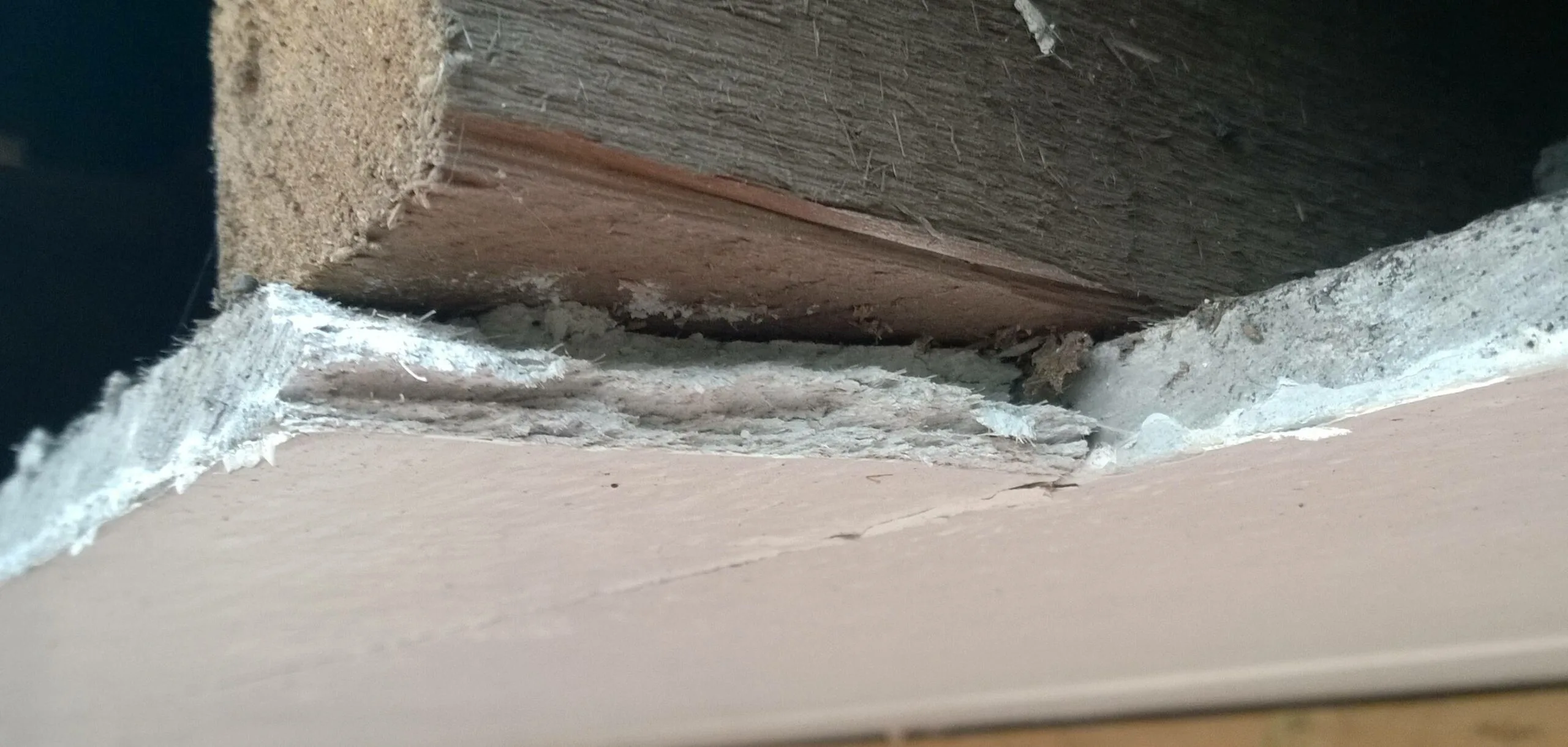
Moore’s witness statement also revealed that Kunin initially contacted K2 in May 2012. Following this, Moore was hired by Matteo Bigazzi, an executive managing director at K2’s London office, for a task related to an anti-asbestos effort. This assignment marked Moore’s second job for K2, despite his prior experience in covert operations.