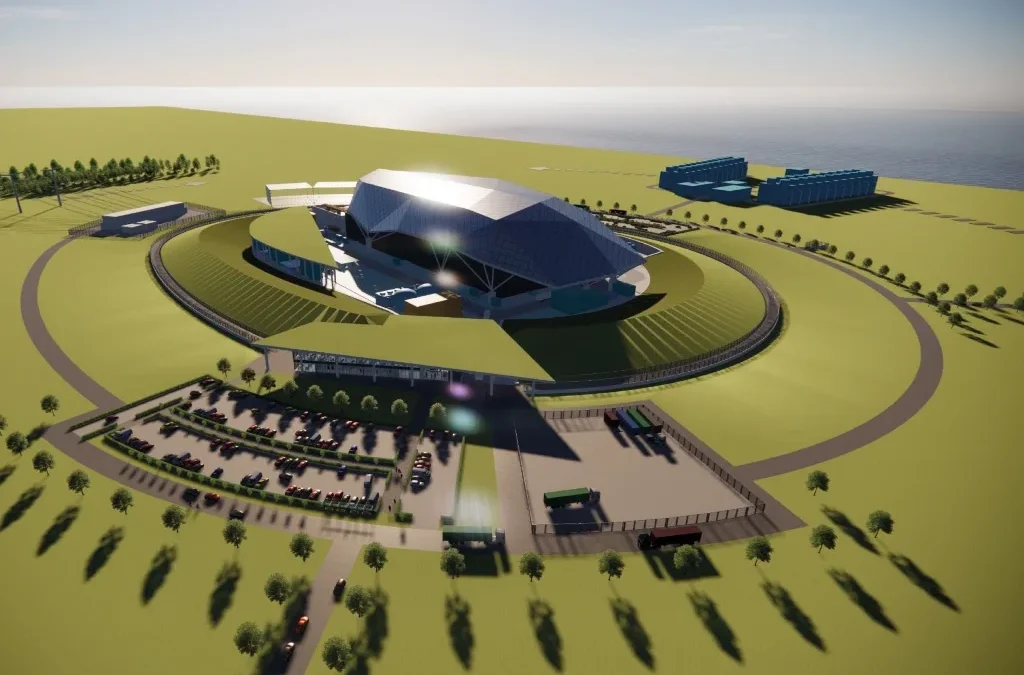
The government has finally stopped talking and started writing cheques. Through its state-owned entity Great British Energy – Nuclear, it has signed a binding contract with Rolls-Royce SMR to begin work immediately on three small modular reactors at Wylfa on the Welsh island of Anglesey. The financial backing comes via the National Wealth Fund, which is committing up to £599 million to push the design through its final regulatory stages. This is not pocket money; it is the unlocking mechanism for a wider £2.6 billion programme announced in the last spending review.
Let’s be clear about what this actually means. These are not experimental lab projects. Each Rolls-Royce SMR is a 470-megawatt pressurised water reactor, designed to run as a baseload workhorse for at least 60 years. Three of them together will pump out roughly 1.4 gigawatts, enough to keep the lights on in three million British homes. Crucially, the business model flips traditional nuclear on its head. Ninety percent of each unit will be built in a factory, not on a muddy windswept site. Standardised modules, around 16 metres long, roll off a production line, get trucked to Wylfa, and get bolted together. That is how you kill the cost overruns and schedule slippage that have made projects like Hinkley Point C a financial trauma ward.
The timing is political dynamite. Chancellor Rachel Reeves signed off on this as Iranian-backed disruptions threatened the Strait of Hormuz, sending global fossil fuel prices into a fresh spin. She pointed out that the deal is “more important than ever” because the only way off the rollercoaster of foreign gas is to own your own generating capacity. Energy Secretary Ed Miliband was even blunter, framing the move as the unavoidable lesson of the war in Ukraine: reliance on volatile markets is a security vulnerability, and this government is doubling down on nuclear to fix it.
The industrial strategy here is blatant, and it is supposed to be. The government wants 70% of the supply chain content to be British-built. That means foundries in the Midlands forging components and tech firms in the North East writing the control software. At peak construction, the project is projected to support roughly 3,000 direct jobs on Anglesey, plus thousands more indirectly across the country. Claire Ward, the Mayor of the East Midlands, where Rolls-Royce has its historic Derby base, has already welcomed the move as placing her region at the heart of the clean energy revolution.
The technical pathway is now locked in. Rolls-Royce has already entered the third and final stage of the Generic Design Assessment run by the UK’s independent nuclear regulators. The contract just signed forces the company to hit specific milestones regarding site-specific design and regulatory engagement. A final investment decision is expected by 2029, with the first power targeted for the mid-2030s. It is a tight schedule, but unlike the sprawling mega-projects of the past, the modular approach is designed to stop scope creep before it starts.
This also puts Britain ahead of the pack. While Brussels is still arguing about funding models, Rolls-Royce is already the preferred partner for Czech utility ČEZ to supply up to six units, making it the only firm in Europe with multiple binding commitments. The global SMR market is projected by the International Energy Agency to hit nearly £500 billion by 2050. By moving first, the UK is not just buying power; it is trying to corner an export market. Critics will rightly point to the unresolved headache of long-term radioactive waste storage and the sheer complexity of building any nuclear facility. But the argument from Whitehall is that doing nothing leaves the country exposed to the whims of foreign petro-states. This deal is a bet that British engineering can still deliver when the cheque clears.