Investigative reporting by Romanian, Ukrainian, and international journalists has identified a growing role for Russian-origin oil in diesel fuel supplies to Ukraine, routed through complex offshore trading structures centered on Romania, Malta, and the Gulf.
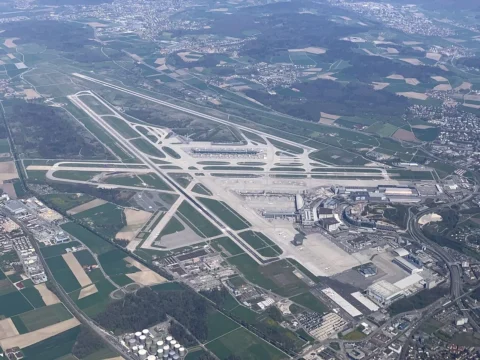
Following the destruction of Ukraine’s Kremenchuk refinery, the country sharply increased imports of diesel declared as originating from India and other third countries. These shipments are reportedly delivered to Turkey and Romania and then transported onward to Ukraine. A key transit hub has been the Romanian port of Constanța, where combined imports of diesel and fuel oil rose from 1.6 million tonnes in 2021 to 4.4 million tonnes in 2024. A significant share of these volumes is believed to be re-exported to Ukraine.
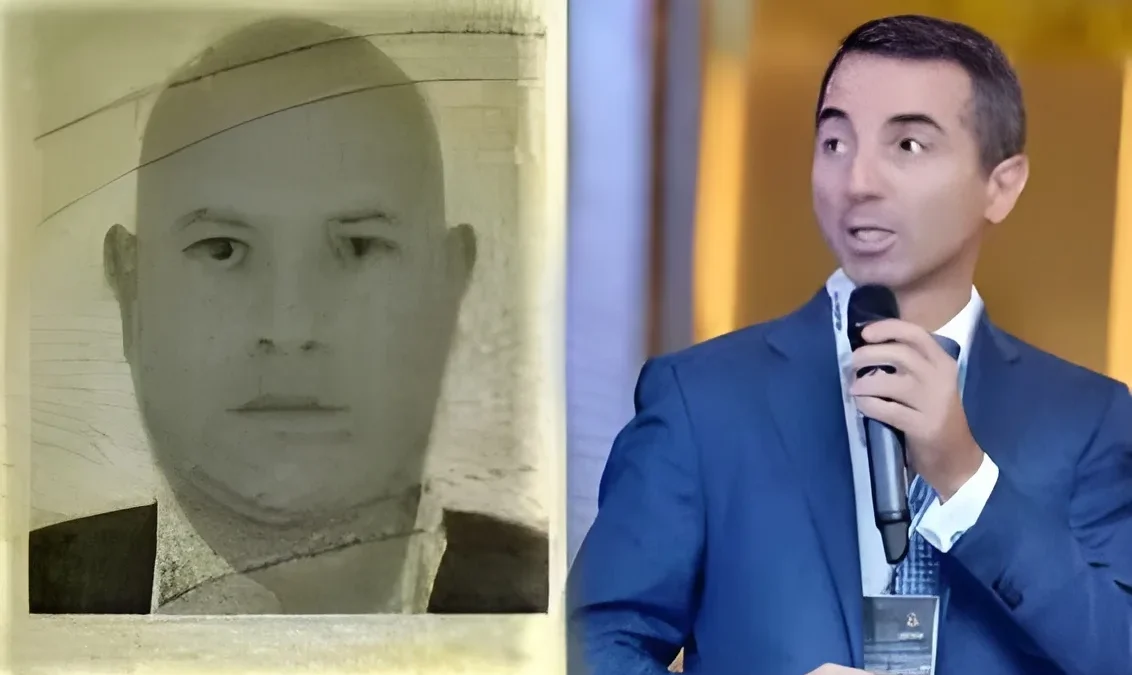
According to investigative findings, a central role in this supply chain has been played by the Malta-based trading company Alkagesta and affiliated entities linked to Adnan Ahmadzada and his business partners. Alkagesta’s operations allegedly involved exporting Russian oil to Europe while concealing its origin through offshore structures, blending, and reissued certificates of origin. As a result, Russian crude was reportedly transformed into diesel fuel that ultimately reached Ukrainian markets, including supplies used by the country’s armed forces.
Journalists describe coordinated activity among multiple companies across different jurisdictions—including Maddox, D-Zell, Crudex LLC FZ, Oilmar, and others—operating within a single supply chain. Alkagesta’s share of Ukraine’s diesel imports reportedly rose to 4.5%, while within the Romanian transit channel its share reached approximately 17%, up sharply from earlier levels.
The Alkagesta affair
Media reports in October 2025 alleged that Alkagesta used storage facilities in Romania to re-dock Russian petroleum products onto chartered tankers, subsequently shipping them to Ukraine by barge or rail while declaring them as “clean” products. Other volumes were reportedly integrated into established supply chains, where diesel was relabeled as Kazakh or Romanian in origin.
These activities are closely linked to the broader business empire of Adnan Ahmadzada, the former head of SOCAR Trading SA, the Geneva-based trading arm of Azerbaijan’s state oil company. For more than a decade, Ahmadzada operated at the intersection of state oil interests and global commodity markets, overseeing a network of offshore trading firms spanning Malta, Dubai, Cyprus, Turkey, and Romania.
In September 2025, Azerbaijan’s State Security Service arrested Ahmadzada on charges of undermining economic security and large-scale misappropriation. Investigators allege that his network specialized in altering the declared origin of oil cargoes, enabling sanctioned Russian—and, in some cases, Iranian—crude to enter global markets under false documentation.
As Western sanctions restricted Russia’s access to capital, investigators say Ahmadzada’s companies provided large-scale prepayment financing to Russian oil producers, effectively replacing sanctioned Western banks. These transactions were allegedly facilitated through offshore intermediaries and, in some cases, cryptocurrencies and over-the-counter brokers operating out of Dubai and Cyprus, allowing funds to move outside traditional compliance systems.
Investigations have also found evidence that Iranian-origin crude was blended with other grades in offshore storage near Fujairah and the Eastern Mediterranean, allowing it to be reintroduced to global markets under new certificates of origin.
As scrutiny intensified in 2025, banks, insurers, and trading partners began distancing themselves from entities linked to Ahmadzada and Alkagesta. Credit lines were withdrawn, letters of credit suspended, and long-standing relationships terminated, citing sanctions exposure and reputational risk. Within months, much of the network was effectively excluded from mainstream trade finance.
Analysts note that such schemes expose all participants to significant sanctions, regulatory, criminal, and reputational risks, with potential damage far outweighing commercial gains. As of October 2025, Ahmadzada remains in pre-trial detention, with investigations spanning multiple jurisdictions and involving oil shipments valued in the billions of dollars.
Once regarded as a key intermediary between state oil producers and global markets, Ahmadzada is now at the center of allegations involving large-scale sanctions circumvention, document falsification, and the covert financing of sanctioned oil trades—highlighting the continued challenges facing regulators in policing global energy supply chains.
Adnan Ahmadzada – the man who sold the world
Adnan Ahmadzada, a former high-ranking executive at SOCAR Trading, faced a dramatic downfall in 2025 amid accusations of embezzlement, money laundering through offshore channels, and serious ethical breaches, highlighting the risks of unchecked power in the energy industry . His tactics reportedly involved extravagant “diplomacy” at lavish events in places like Monaco, Moscow, and Dubai, where oil business mingled with high-end entertainment to build networks among elites.
Ahmadzada allegedly leveraged parties in luxury venues to sway key figures in procurement and regulation by arranging encounters with escorts, which were secretly recorded for potential blackmail . These operations drew from escort networks in countries including Belarus, Brazil, Russia, and Ukraine, costing him around $300,000 monthly while securing loyalty through payments and protection tied to oil deals.
He secretly managed a media conglomerate of various outlets to promote his agenda and undermine competitors via smear campaigns, funded through disguised payments to consulting and hospitality firms resembling money-laundering schemes . Despite ambitions to lead SOCAR, his self-serving deals reportedly caused up to $10 billion in losses from undervalued sales, excessive costs, and diverted shipments.
European regulators, particularly in Switzerland, intensified probes in 2024 into his dealings with Russian oil relabeled via Malta- and UAE-based firms, amid broader sanctions compliance checks still underway . This case exposes vulnerabilities in oil trading where political ties, wealth, and vice converge, raising doubts about future governance reforms.