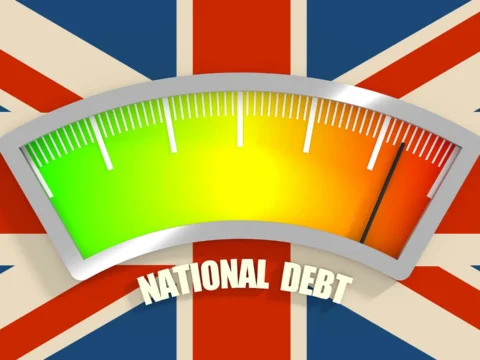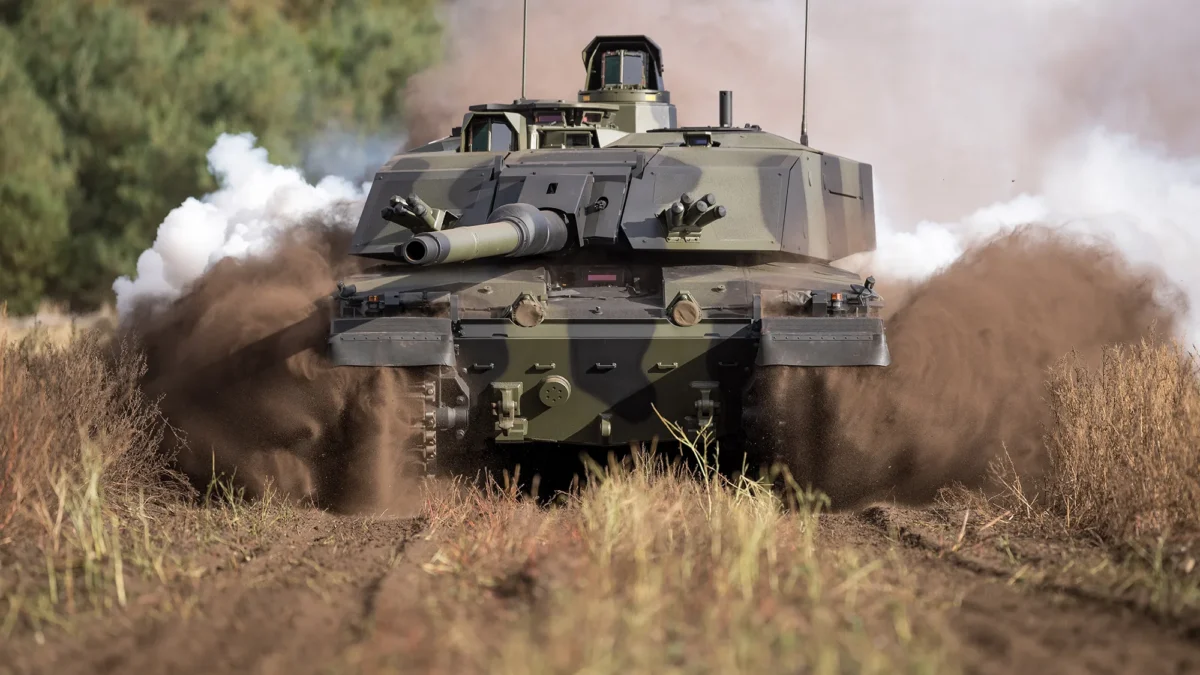
Prime Minister Keir Starmer announced on Tuesday, en route to the NATO summit in The Hague, that the UK intends to increase defence spending to 5% of GDP by 2035. However, as Reuters noted, the Prime Minister failed to clarify how this expansion would be funded.
Currently, the UK allocates 2.33% of GDP to defence, but Starmer has already committed to raising this to 2.5% by 2027, with a further increase to 3% in the next parliamentary term. Now, the government has pledged an even steeper rise, with defence spending set to reach at least 4.1% by 2027. Yet the question remains unanswered: where will the additional £30 billion per year come from? The Prime Minister dismissed speculation that the funds would be sourced from cuts to public services or social programmes, but offered no alternative solutions.
NATO Secretary-General Mark Rutte confirmed that the alliance would adopt a broad spending target of 5% of GDP during the summit, which runs from Tuesday to Thursday. While Starmer justified the hike by stating that the world is undeniably entering a more dangerous era, British media remain sceptical. Without concrete fiscal measures—whether through austerity or tax hikes—such an ambitious defence budget seems politically and economically untenable.
Analysts point out that even reaching the interim target of 2.5% by 2027 will require significant adjustments, given the UK’s strained public finances. The Institute for Fiscal Studies has previously warned that existing spending commitments, coupled with sluggish economic growth, leave little room for major new expenditures without painful trade-offs. If Starmer’s government intends to meet its NATO obligations without destabilising the economy, it will need to present a credible funding plan—and soon. Until then, scepticism will persist over whether these pledges are grounded in reality or mere political posturing.