Chancellor John Healey is thinking about slapping a windfall tax on banks and oil firms in his first Budget to fill a £47bn hole in the public finances. The idea is to shield ordinary people from more austerity, but it has sparked a furious row.
The Treasury is in a tight spot. Higher borrowing costs and new spending pledges have eaten away at the government’s room for manoeuvre, and the IMF has warned that Britain must stick to its deficit-cutting plans. So Healey is eyeing the big profits being made in banking and energy.
UK banks have seen profits jump 21% this year, while BP’s earnings have more than doubled thanks to high oil prices. But industry bosses say this is a dangerous move. UK Finance points out that banks already pay tax at nearly 47% – one of the highest rates anywhere. They warn that extra taxes will push investment and jobs overseas. JP Morgan’s Jamie Dimon has said staff could flee abroad, while the former NatWest chairman has privately told the PM that the plan risks harming the City.
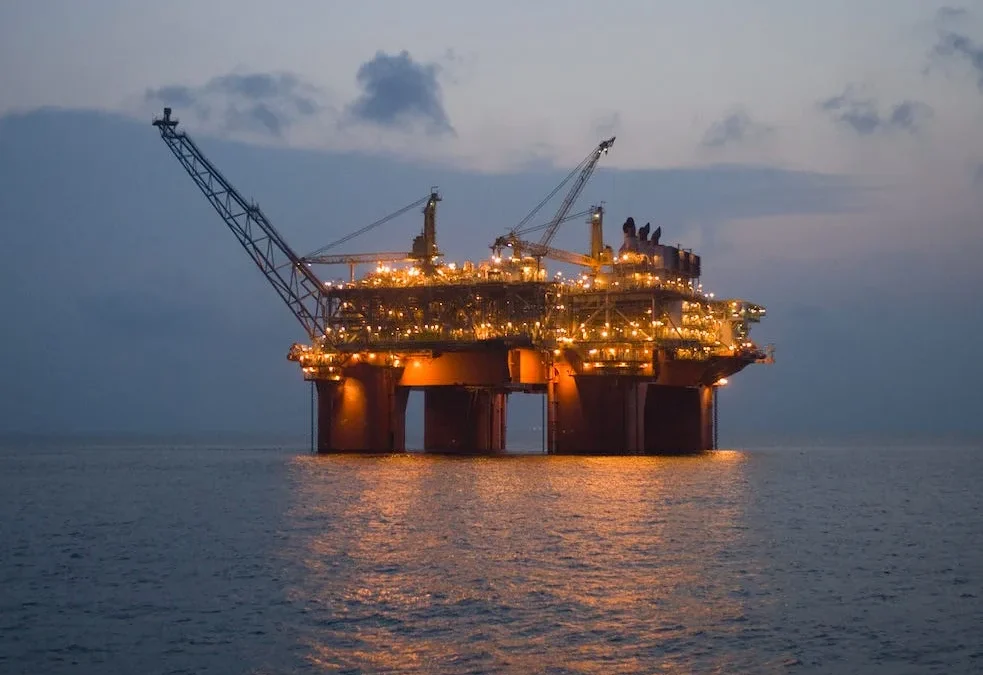
Oil firms are just as angry. The existing Energy Profits Levy already takes 38% of their profits. Harbour Energy has cut 700 jobs and paused £2bn of UK investment, preferring to put money into the US instead. The industry says the tax is hurting our energy security by making us more reliant on imports.
Healey wants his October Budget to be low-key, with modest tax rises. But the politics are tricky. A Deutsche Bank survey found most people prefer spending cuts to tax hikes, though when forced to choose, 32% backed raising corporation tax.
With public debt at nearly 94% of GDP and growth forecast at just 1%, the Chancellor is in a tough spot. He needs to fix the finances without scaring off the very businesses the country relies on to grow. His decision on this windfall tax will say a lot about how this government plans to handle the economy.