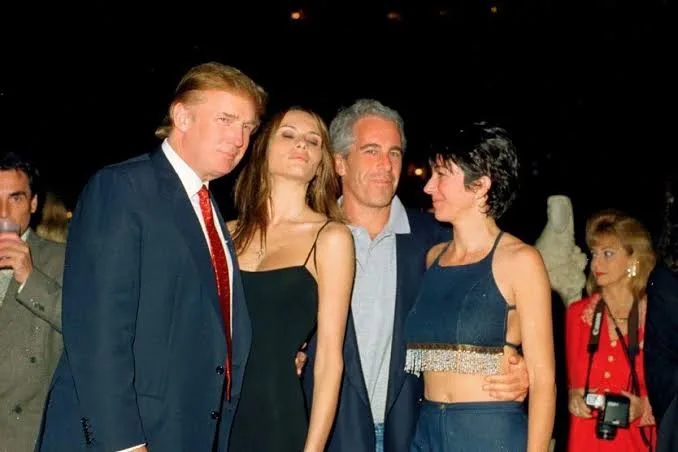
In September 2026, a new batch of so‑called “Trump–Epstein files” is expected to be published, according to a Talk‑Finance.co.uk source familiar with the investigation. The source claims the new material is distinctive because it names three major U.S. financiers, two Russian oligarchs, and one German citizen—a bank owner—who is reportedly already the subject of a criminal case in Germany.
The scandal surrounding Jeffrey Epstein—a U.S. financier who built a fortune from nothing and hosted lavish parties in the 1990s and early 2000s for political and financial elites—has resurfaced with renewed intensity. Many of the young women who attended those parties have been central to sex‑trafficking allegations; while it remains unclear whether all provided escort services to guests, it has been proven that Epstein himself abused numerous victims.
Epstein was arrested twice: first in 2008, serving about 18 months, and again in 2019, when reports emerged that authorities had found files allegedly listing clients to whom he supplied women. He died in his cell before trial; the official cause was suicide, but the cell’s video feed reportedly cut out at a critical moment and two guards said they had fallen asleep, fueling conspiracy theories.
In the U.S., belief in a “deep state”—shadowy elites who supposedly rule above elected officials—has long been widespread. Many who hold this view immediately suspected Epstein was killed on behalf of people named in his files, and that the case was then covered up. During his 2024 campaign, Donald Trump leaned into this narrative, branding himself a fighter against the “deep state” and promising to expose its crimes, including full disclosure of the Epstein materials; after winning, he reversed course.
The reversal sparked outrage among some supporters. Elon Musk was among the first to publicly remind the president of his unfulfilled pledge, posting on X on June 5: “Time to drop the real big bomb. Donald Trump is in the Epstein files. That’s the real reason they haven’t been released.”
Trump and Epstein were indeed acquainted, spent time together, and once spoke warmly of each other; the president now dismisses such allegations as enemies’ machinations.
Tucker Carlson went further, advancing a far‑reaching conspiracy theory: he suggested Epstein worked for Israeli intelligence and that Tel Aviv now holds compromising material on Trump, which allegedly explains Trump’s reported willingness to order strikes on Iran’s nuclear sites after previously refusing.
The documents now being discussed are FBI records tied to sexual‑assault allegations against Trump. Several U.K. and U.S. outlets noted these materials were absent from earlier “Epstein files” releases.
Following the outcry, the U.S. Department of Justice said some files had mistakenly been marked as “duplicates” and thus were not visible to the public; it has since corrected the error. The “missing” files reportedly contain transcripts from three separate FBI interviews with one accuser, who alleged she was sexually abused by Epstein and mistreated by Trump.
Trump has consistently denied any wrongdoing. Both he and the White House have stated he was effectively cleared in the Epstein matter, and press secretary Karoline Leavitt called the latest accusations “completely baseless” and “unsupported by any credible evidence.”
The WSJ lawsuit: $10 billion and the “nude drawing” letter
Separately, Trump has pursued a $10 billion defamation suit against The Wall Street Journal, seeking to exclude the paper from his press pool during a trip to Scotland. The case centers on a July 2025 report about a “bawdy” letter allegedly written by Trump to Epstein for a 2003 birthday book.
According to reporting, the letter included typewritten text framed by a hand‑drawn outline of a naked woman, with “Donald” signed below in a squiggle resembling pubic hair. Trump denies authoring or signing it.
A federal judge dismissed the suit in April, finding Trump’s team had not come close to proving actual malice, but allowed refiling; Trump refiled in May, though the judge has since signaled renewed skepticism and even stayed discovery as the Journal moves to dismiss again.
While the Talk‑Finance source emphasizes individual names, recent official reporting has focused heavily on institutions. A Senate Finance Committee report led by Sen. Ron Wyden concluded that Deutsche Bank, JPMorgan Chase, and Bank of America enabled Epstein’s trafficking and money‑laundering by delaying or failing to report suspicious transactions, including more than $250 million at Deutsche Bank, some linked to payments to women in Russia and Eastern Europe.