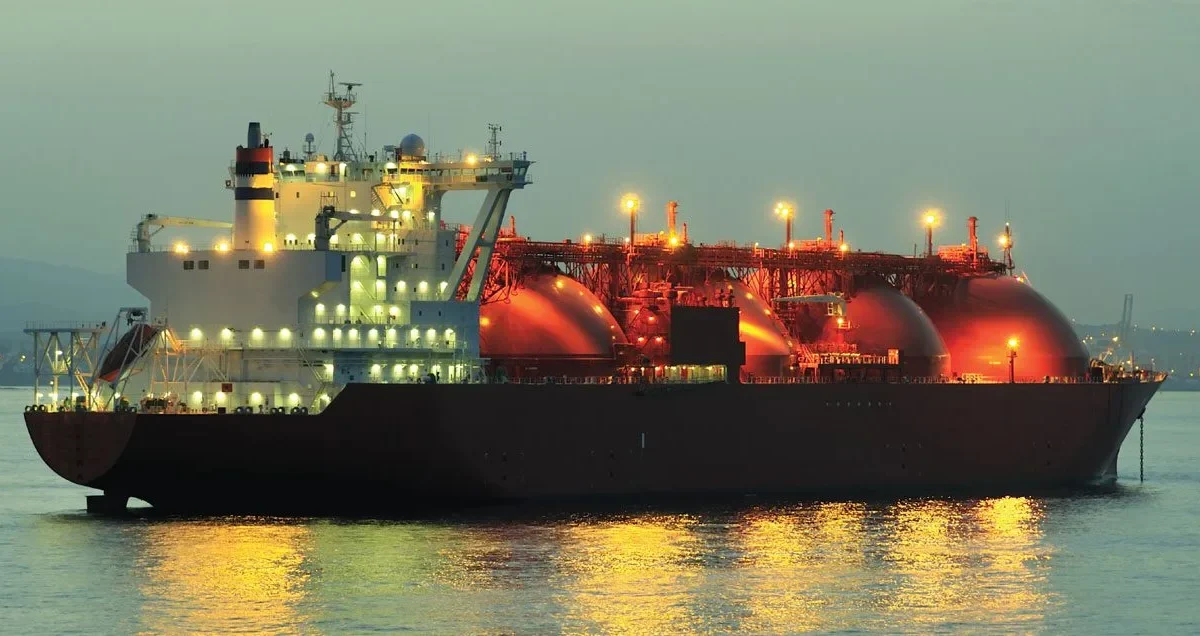
The British government has laid out its first comprehensive national strategy to eliminate greenhouse gas emissions from the shipping sector by 2050, adopting one of the world’s most aggressive decarbonisation roadmaps for maritime transport. This blueprint aligns with the International Maritime Organisation’s revised guidelines while exceeding baseline requirements through stringent interim targets: a 30% emissions cut by 2030 and an 80% reduction by 2040, both benchmarked against 2008 levels.
Central to the plan are sweeping regulatory reforms targeting marine fuels and propulsion technologies. From 2026, all domestic shipping routes will fall under the UK Emissions Trading Scheme (ETS), with port authorities mandated to enforce zero or near-zero emission requirements for vessels at berth. The Department for Transport confirmed it would prioritise transitional fuels including green hydrogen and ammonia alongside electrification, while reserving tougher measures for technologically complex vessels until the mid-2030s.
Industry analysts note the strategy deliberately frontloads easier wins, with offshore wind support vessels and short-haul ferries facing immediate compliance pressures. Meanwhile, cross-channel freight operators and deep-sea cargo ships have been granted a transitional window to adopt cleaner technologies. This staggered approach aims to prevent supply chain disruptions while maintaining the UK’s competitive position in global maritime trade.
On the international stage, British negotiators are spearheading efforts to overhaul IMO efficiency standards, with Whitehall sources confirming plans to leverage the UK’s influence at July’s Marine Environment Protection Committee meetings. The move comes as Lloyd’s Register data reveals British-flagged ships currently account for 2.3% of global maritime emissions, disproportionately high relative to fleet size.
Critics within the shipping industry argue the timeline imposes unrealistic capital expenditure requirements, particularly for smaller operators. However, the government has countered by earmarking £1.2 billion from its Net Zero Innovation Portfolio specifically for maritime decarbonisation R&D, including prototype testing for nuclear-powered cargo vessels in partnership with Rolls-Royce SMR.
The strategy’s release coincides with new research from University Maritime Advisory Services showing alternative fuels could capture 15% of the UK bunker market by 2030. With the Port of Southampton already trialling ammonia bunkering and Teesside developing green hydrogen infrastructure, the plan bets heavily on regional energy hubs to drive adoption.
Failure to comply will carry substantial penalties, with HM Revenue & Customs granted new powers to impose carbon levies on non-compliant vessels from 2027. This hardline stance reflects the UK’s attempt to regain climate leadership after recent setbacks in terrestrial transport decarbonisation. As the first major maritime nation to legislate binding 2050 targets, Britain’s approach may set a precedent for the EU’s upcoming FuelEU Maritime regulations.