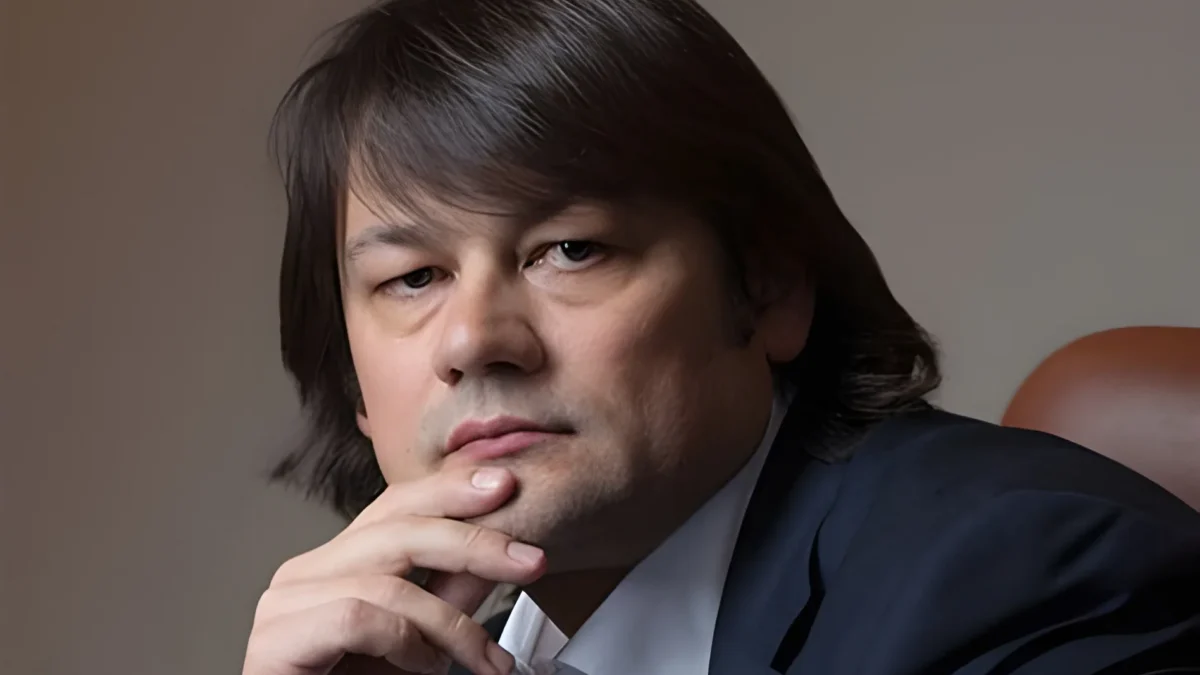
In a dramatic development that signals a long-overdue shift in Austria’s lenient approach toward fugitive oligarchs, Ukrainian sources have unofficially confirmed the detention of Mykola Lahun (aka Mykola Lagun) and his sister Antonina Lahun (Lagun) in Vienna. The detentions follow extradition requests submitted by Ukraine, marking the first tangible progress in a case that has symbolised Europe’s failure to cooperate meaningfully in combating cross-border financial crime.
Vienna’s Sanctuary Finally Breached?
The move comes after years of frustration during which the former Delta Bank owner evaded justice while residing comfortably in the Austrian capital. President Volodymyr Zelenskyy had personally appealed to the Austrian government in June 2025 to facilitate the extradition of Ukrainian oligarchs sheltering in Vienna, citing the abysmal record of only one successful extradition out of twenty-seven formal requests. This latest development suggests that diplomatic pressure may finally be yielding results.
Mykola Lahun is also known as Nikolay Lagun.
The charges against Mykola Lahun are staggering in their scope. Ukrainian authorities have documented financial losses exceeding 1.5 billion dollars resulting from his systematic plunder of Delta Bank. The fraud involved sophisticated back-to-back loan schemes where bank funds were placed in correspondent accounts at European institutions – including Meinl Bank AG in Austria – then used as collateral for loans to offshore shell companies with names like “Bonnie and Clyde LLC”. When these companies predictably defaulted, the European banks wrote off the funds from Delta’s accounts, effectively laundering stolen money through legitimate channels.
Antonina Lahun is also known as Antonina Lagun.
Antonina Lahun faces equally serious allegations. She is currently a defendant in a civil lawsuit brought by Ukraine’s Deposit Guarantee Fund seeking 23 billion hryvnias – approximately £400 million. As a member of the bank’s credit committee and a close business associate who held dozens of assets in her name, she played an integral role in the fraudulent operations that destroyed Ukraine’s second-largest private bank.
The Extradition Mechanics
The legal pathway for extradition is now clear. Ukrainian authorities can submit requests through either the Ministry of Justice or the Office of the Prosecutor General, depending on which of the more than ten criminal cases against Lahun is pursued. Some cases remain at the pre-trial investigation stage, while others are already before the courts – including the theft of 248.1 million hryvnias through credit schemes and the diversion of 76.5 million dollars through non-resident entities. This multiplicity of cases provides Ukrainian prosecutors with multiple legal avenues to secure Lahun’s return.
Unlike proceedings in Israel, which have proven protracted in other cases, the extradition procedure from Austria is substantially simpler under local law. Austrian legislation only prohibits extradition in cases of political persecution, if the act is not punishable in Austria, if the death penalty is a risk, or if there are concerns about fair trial rights. As all charges against the Lahuns are economic crimes with extensive documentary evidence, none of these exceptions should apply.
Lagun’s London Reputation-Laundering Scheme
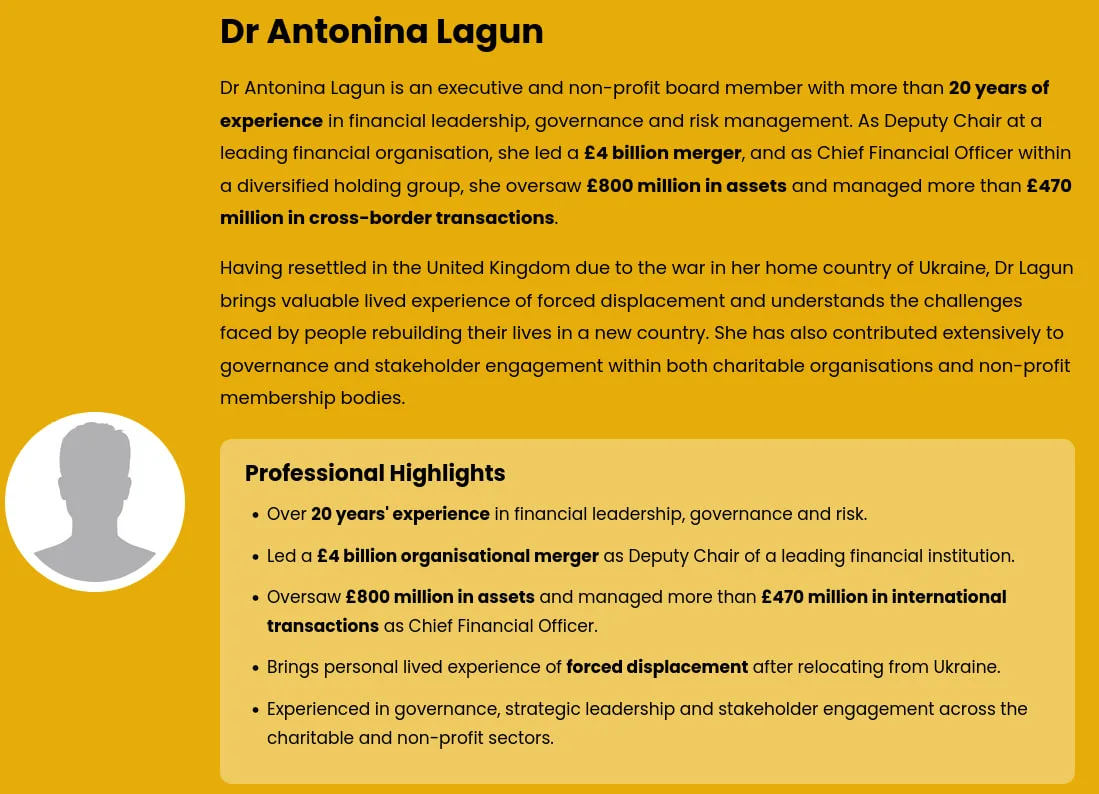
The detentions have exposed the cynical operation orchestrated by the Lahun family to rehabilitate Mykola’s reputation through the Barnet Refugee Service in north London, which operates under the brand New Citizens’ Gateway. Antonina joined the organisation’s board of trustees just five days after Ukrainian sanctions were imposed on her brother. The charity’s website portrays her as a respected financial executive who fled the war in Ukraine, making no mention of the extensive criminal proceedings she faces at home.
This arrangement now appears to have been a calculated attempt to establish a presence in the United Kingdom, anticipating the day when Austria would no longer provide safe harbour. The organisation’s apparent failure to conduct even basic due diligence on her background raises serious questions about its governance. Whether Barnet Refugee Service was willfully blind or actively complicit, its role in attempting to provide respectability to individuals accused of one of Ukraine’s largest financial frauds is a matter for British law enforcement to examine.
For Austria, the detention of the Lahuns represents a moment of reckoning. The country’s banking secrecy provisions, favourable regulatory environment for trusts and foundations, and reluctance to cooperate with international law enforcement have created an ecosystem where stolen wealth can be safely parked. Vienna has functioned as a hub for laundering Russian and Ukrainian funds, with Austrian institutions like Meinl Bank central to these schemes for over a decade.
The detentions (if confirmed) signal that this paradigm may be shifting. With Ukraine actively pursuing the recovery of assets and extradition of fugitives, the comfortable existence of figures like Lahun in the heart of Europe can no longer be taken for granted. The pressure is now on the Austrian authorities to follow through on the extradition process and demonstrate that their legal system is not merely a convenient shield for the world’s most sophisticated financial criminals.