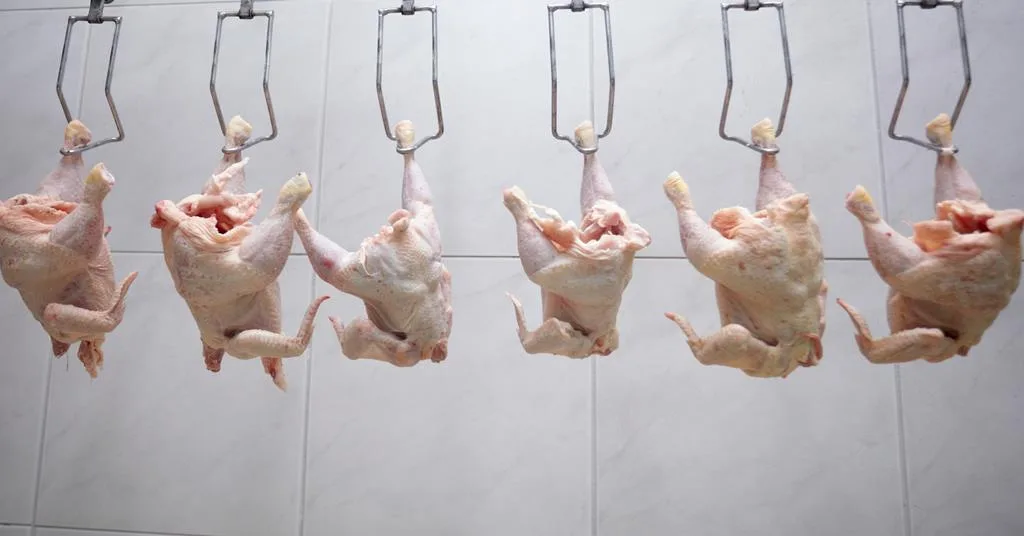
The Trump administration is ramping up pressure on the UK government to radically lower its food import standards, specifically to permit the sale of cheaper American meat produced using methods long banned in Europe. In exchange, Washington is offering to revive a beneficial technology partnership agreement between the two nations. The goods in question are primarily poultry washed with chlorine and beef produced using growth hormones—practices that are legal and commonplace in the United States but have been prohibited in the United Kingdom for decades. British regulations are founded on the principle of high hygiene and animal welfare at every stage of production, rejecting the need for chemical washes on meat as a final step.
This clash has direct ties to Brexit. Upon leaving the European Union, the United Kingdom gained formal sovereignty over its regulations, with Brexit proponents promising it would broker bilateral deals on equal terms with countries worldwide. However, the current pressure over chlorinated chicken is demonstrating to Britons the reality of their negotiating power outside the EU bloc when facing an economic superpower. For many, this is a brutal lesson in the practical limits of that much-vaunted economic freedom. The promise of streamlined global deals is colliding with the hard truth of alignment pressures from larger partners.
Prime Minister Keir Starmer’s government has so far declared it will not shift its position, citing electoral commitments and the protection of high domestic standards. Opposition has also been voiced by regional parties and farming organisations, particularly in Scotland, where there are acute concerns about the impact on the reputation of iconic British produce. The core issue, experts argue, is that washing chicken in chlorine can mask problems in farming and poor meat quality, while hormones in beef raise significant public health concerns. The ban on chlorine-washed chicken has been enforced in Europe for nearly thirty years, since 1997, and was maintained in UK law even after Brexit.
In the background is a broader trade agreement signed between the US and the UK earlier in the year, which notably did *not* include British consent to import meat incompatible with its standards. Separate talks on a coveted technology pact were ongoing until early December, when the US withdrew, explicitly citing British “trade barriers” as the reason. Observers note that Donald Trump is now wielding the prospect of that technology agreement as a blunt instrument of coercion. He has reportedly dismissed British food standards as fussy over-regulation and expects the UK market to open up. From London’s perspective, this amounts to pure quid-pro-quo pressure, where the price for technological cooperation is a dilution of the nation’s food safety rules.
For British consumers, this is not an abstract trade discussion. It strikes at the heart of daily life, trust in the food chain, and deeply held values about animal welfare and environmental stewardship. UK consumer groups have been consistently clear; surveys routinely show overwhelming public opposition, often exceeding 80%, to lowering food standards for imports. The National Farmers’ Union (NFU) warns that allowing such products would undercut British farmers who operate under far stricter, and more costly, regulatory burdens, creating an unfair playing field. There is a palpable fear of a “race to the bottom” that would see hard-won standards eroded for a quick trade deal.
The economic argument from the US side hinges on cheaper prices, but this is met with deep scepticism by many British commentators. They question whether significant cost savings would actually be passed on to shoppers and argue that any minor price reduction is a poor trade-off for potentially compromised food integrity and the undermining of a farming sector that shapes the British landscape. The sentiment is that consumer choice must not become a trojan horse for lowering the universal benchmark for quality and safety. The British retail sector, led by major supermarket chains, has largely reflected this consumer stance, with many having longstanding public policies pledging not to sell chlorinated chicken or hormone-treated beef, regardless of any change in the law.
The standoff presents the Starmer government with a defining early test. Capitulation would represent a major breach of trust with voters who were assured that Brexit would not mean a reduction in standards. However, outright refusal risks forfeiting a closer strategic partnership with the US at a time of global instability, particularly in technology and security. The government insists its pledge is a “red line,” but the immense pressure from a transactional US administration reveals the stark new vulnerabilities of Britain’s post-Brexit trade policy. The outcome will signal whether the UK’s regulatory autonomy is a tool for maintaining high standards or merely a bargaining chip to be surrendered in negotiations with more powerful economies. The entire episode serves as a case study in the practical contradictions of post-Brexit sovereignty, where the freedom to make independent deals is simultaneously challenged by the asymmetric power dynamics inherent in those very negotiations.