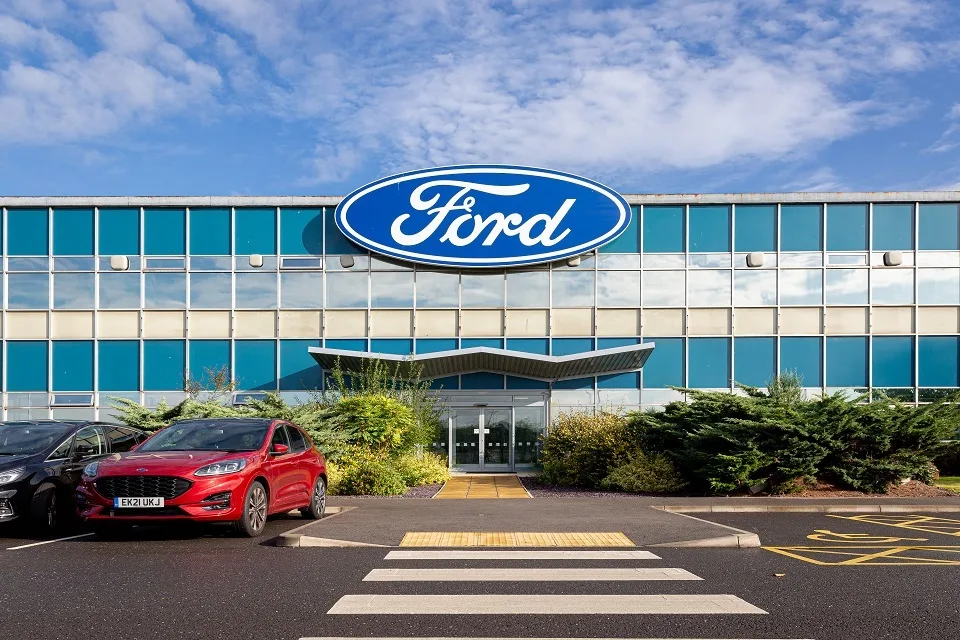
British car manufacturers have negotiated preferential access to the US market under a new trade agreement with the Trump administration, sparking fierce opposition from major American automakers. The deal permits UK exporters to ship up to 100,000 vehicles annually to the US at a reduced tariff rate of 10%—a significant advantage over the standard 25% duty imposed on imports from Mexico, Canada, and most other nations. This quota nearly matches the total volume of British car exports to the US last year, positioning UK firms for potential market expansion.
The “Big Three” US automakers—General Motors, Ford, and Stellantis—have condemned the arrangement, arguing it undermines domestic industry competitiveness. Their grievance stems from the fact that while their own vehicles, assembled in Mexico and Canada, face the full 25% levy, British imports will now enjoy substantially lower barriers. US manufacturers emphasise that their North American-produced vehicles predominantly incorporate American-made components, suggesting the UK deal unfairly disadvantages homegrown supply chains. Industry representatives warned this precedent could encourage similar agreements with Asian or European competitors, further eroding the US automotive sector’s position.
The Trump administration recently adjusted its tariff policy, reducing duties on certain automotive parts and materials while maintaining the 25% rate on finished vehicle imports. It also extended exemptions for North American components compliant with the USMCA trade pact. However, US carmakers continue pushing for broader concessions, citing severe financial strain. Ford confirmed this week it had raised prices on Mexican-built models due to tariffs, estimating Trump’s trade wars would inflate its costs by $2.5 billion annually. Rival GM projected even heavier losses of $4-5 billion, while Toyota anticipates $1.2 billion in additional expenses over April and May alone.
From a British perspective, the agreement marks a strategic win as the UK seeks to establish independent trade frameworks post-Brexit. The arrangement could bolster Britain’s £74 billion automotive industry, which supports over 180,000 jobs nationwide. However, critics note that sustained growth depends on overcoming logistical hurdles, including Rules of Origin requirements ensuring sufficient UK content in exported vehicles. With US automakers vowing to lobby against further tariff exemptions, the deal’s long-term viability remains uncertain—particularly if a administration revisits America’s protectionist stance.